Japanese pottery ceramics souvenir in Tokyo Japan
Font size:
Shopping Cart
-
Your cart is empty.
Categories
Shop Manager Profile
Arita Ware Encyclopedia
Discover the history, styles, techniques, and traditional patterns of Arita ware, explained from the perspective of a specialist in Japanese ceramics.
← Back to Arita Ware Encyclopedia
What Is Arita Ware? | Japan's First Porcelain with Over 400 Years of History
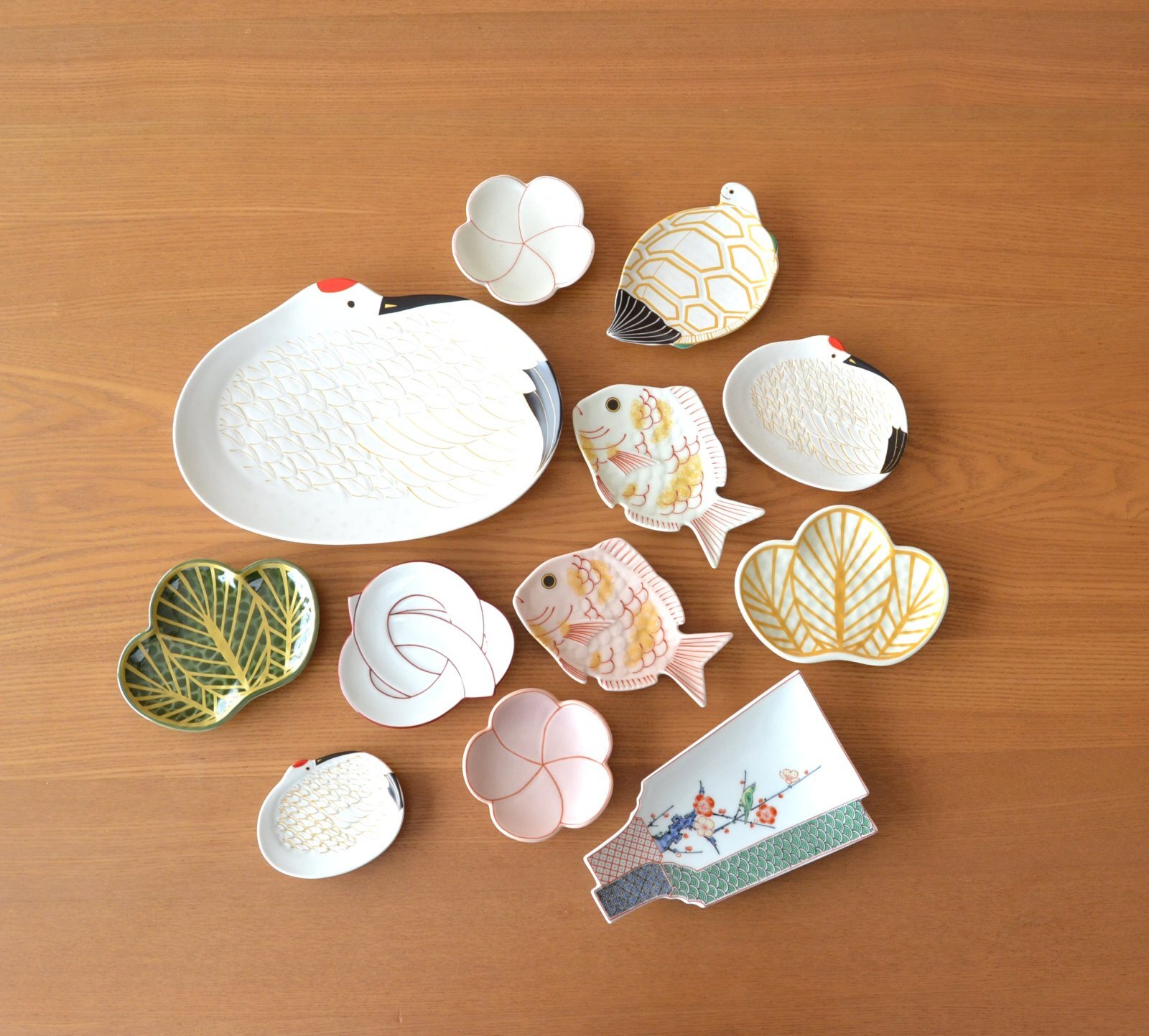
Arita ware is one of Japan's best-known ceramics, produced primarily in Arita, Saga Prefecture.
Arita ware is a type of Japanese ceramic ware produced primarily in and around the town of Arita in western Saga Prefecture. Arita is known as the birthplace of porcelain in Japan, where porcelain production began around 1616. For more than 400 years, Arita ware has been an important part of Japanese food culture and everyday life. One of its greatest attractions is the wide variety of decoration applied to its beautiful white porcelain, including sometsuke (underglaze blue), akae (overglaze enamel decoration), somenishiki (underglaze blue with overglaze enamels), and gold decoration.
Arita Ware: Japan's First Porcelain
The history of Arita ware began around 1616, when porcelain was first produced in Arita, Saga Prefecture.
Until then, pottery made primarily from clay had been the main type of ceramic ware produced in Japan. The discovery of porcelain stone in Arita made it possible to produce porcelain from stone-based raw materials, marking an important development in the history of Japanese ceramics.
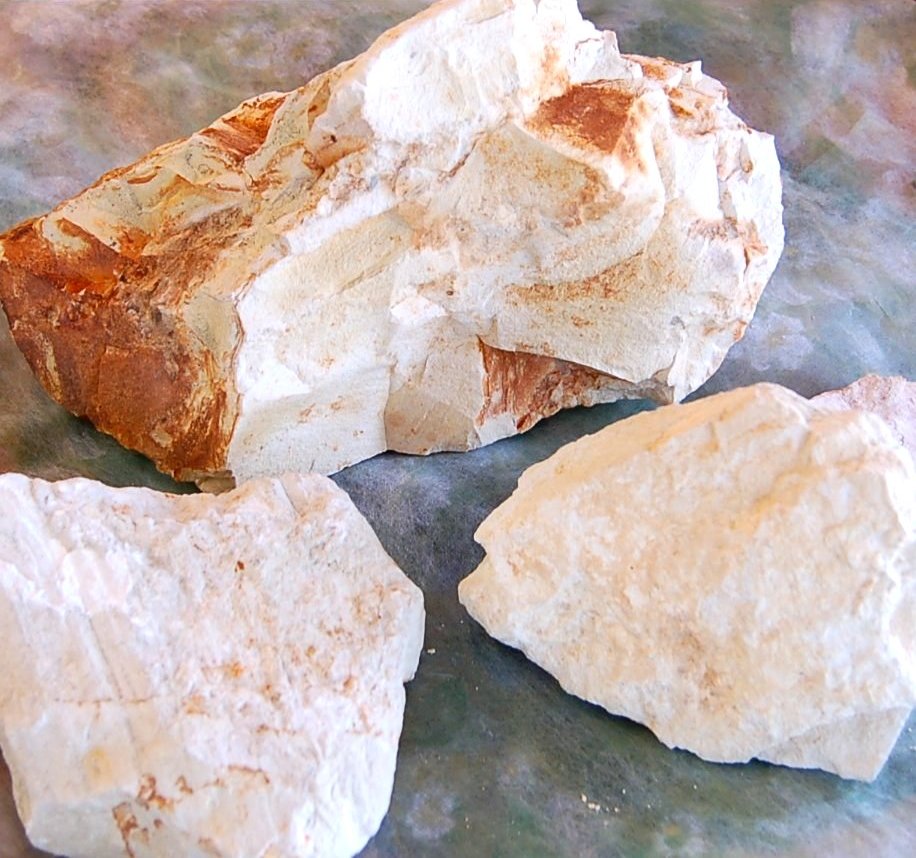
Porcelain stone used to make Arita ware
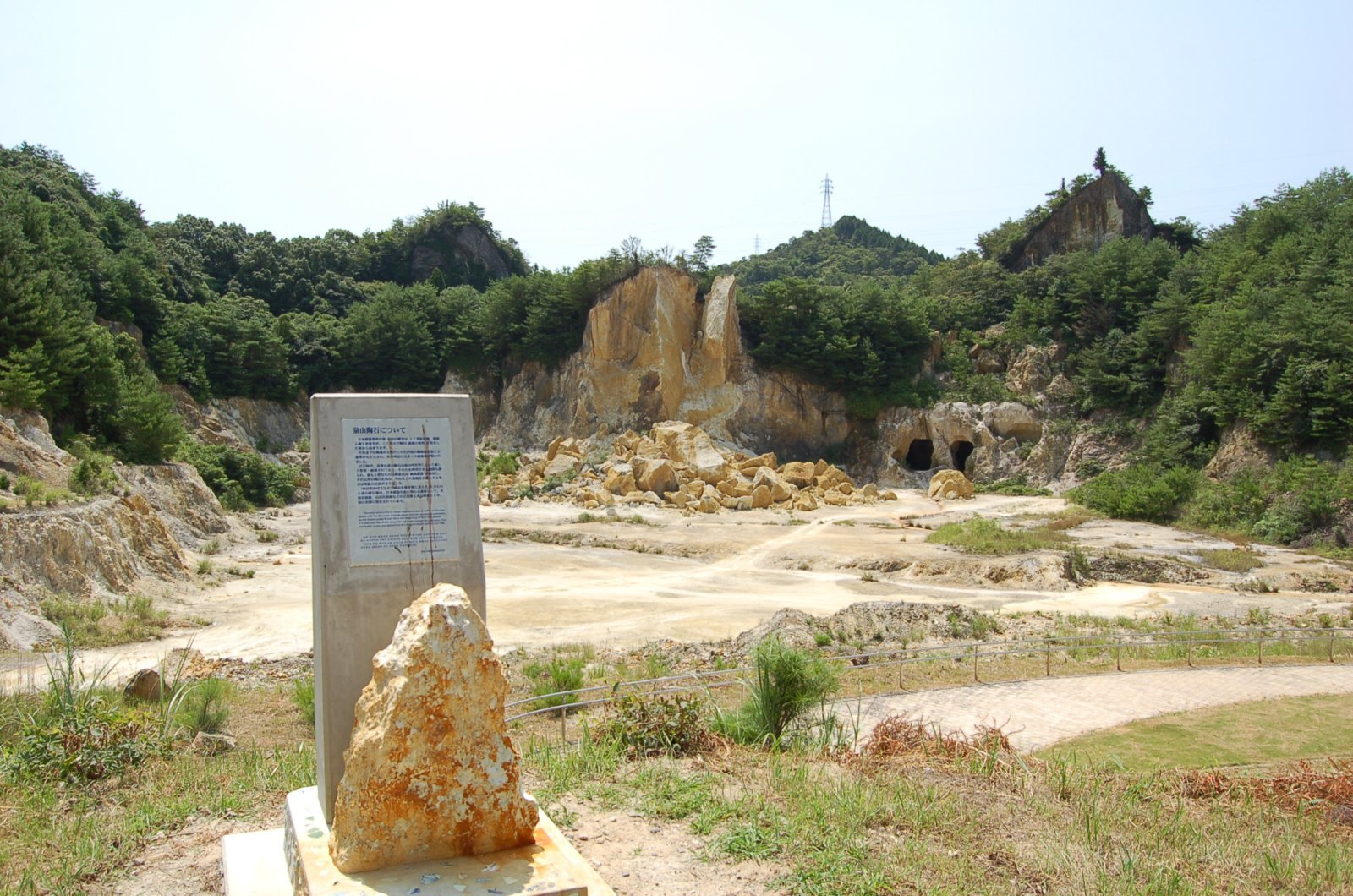
Izumiyama, where porcelain stone was discovered
Arita: A Pottery Town in Western Saga Prefecture
Arita is a small town surrounded by mountains in western Saga Prefecture. Kilns, workshops, and ceramic shops can be found throughout the town, and many craftspeople continue to make ceramics here today.
Arita ware is not simply a traditional craft preserved from the past. It remains tableware that people use in everyday life. While traditional styles and techniques continue to be passed down, new designs suited to contemporary dining and lifestyles are also constantly being created.
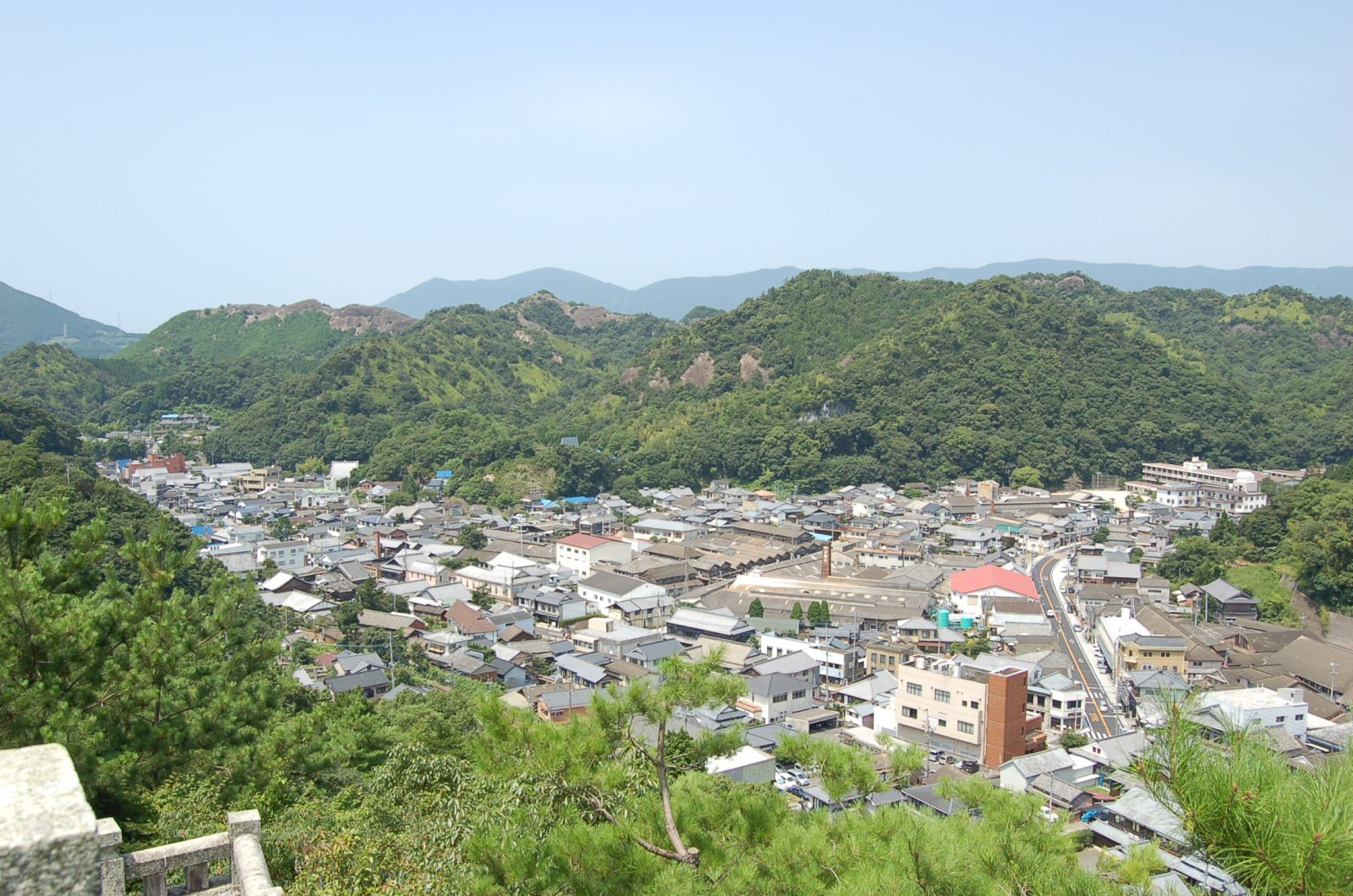
The town of Arita, surrounded by mountains
How Porcelain Changed Everyday Life in Japan
Compared with pottery, porcelain is hard and can retain strength even when made relatively thin. It also has very low water absorption and is resistant to staining, making it highly suitable for everyday tableware.
With its smooth white surface, beautiful decoration, and practicality, Arita ware spread throughout Japan. The emergence of porcelain influenced not only the aesthetics of Japanese ceramics but also the way people used tableware in their daily lives.
Arita Ware and Its Export to Europe
During the Edo period, Arita ware began to be exported overseas as well as distributed throughout Japan. Because much of the porcelain was shipped from the port of Imari, Arita ware also became known overseas as “Imari.”
In Europe in particular, Arita porcelain with colorful decoration on a white porcelain body was highly prized and collected by royalty, aristocrats, and wealthy households. Arita ware became one of the Japanese crafts through which Japanese aesthetics reached audiences far beyond Japan.
The Diverse Designs of Arita Ware
One of the great attractions of Arita ware is the remarkable variety of decorative techniques that developed around porcelain. These include sometsuke, painted in blue; colorful akae overglaze decoration; somenishiki, which combines underglaze blue with overglaze enamels; and luxurious gold decoration.
Sometsuke (Underglaze Blue)
Sometsuke is a technique in which designs are painted using a cobalt-based pigment known in Japan as gosu. During firing, the pigment develops into a distinctive blue color. The contrast between deep blue decoration and white porcelain is one of the most recognizable expressions of Arita ware.
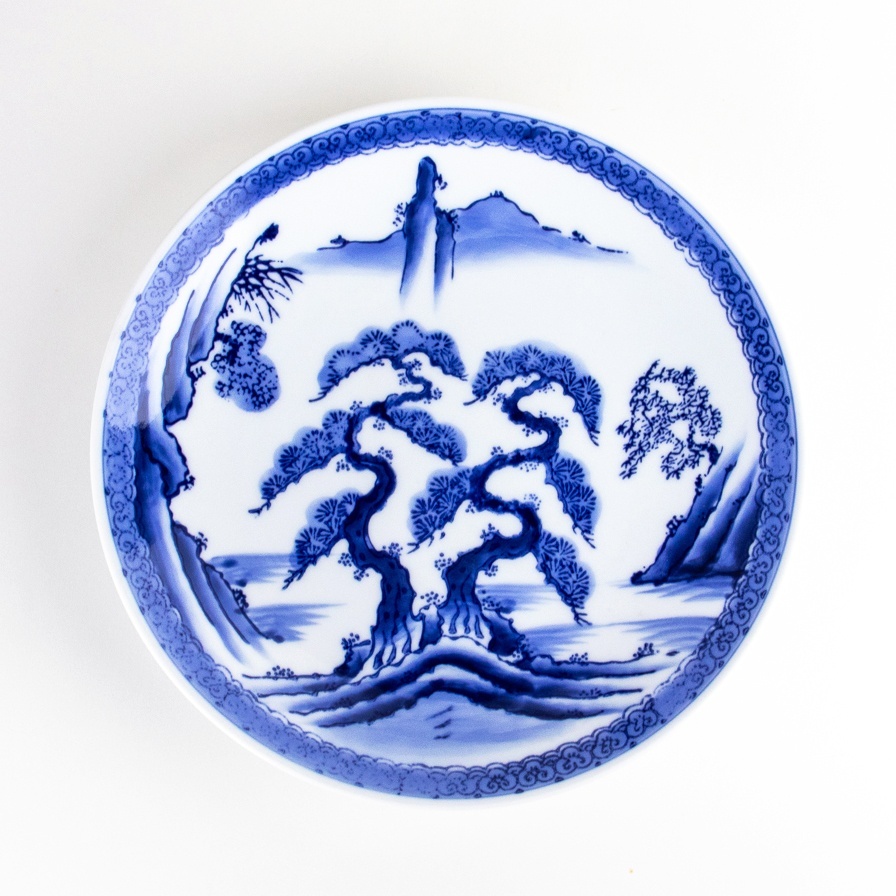
Sometsuke tableware, with deep blue designs standing out against white porcelain
Akae, Somenishiki, and Gold Decoration
Akae refers to decoration applied to white porcelain using overglaze enamels in colors such as red, green, and yellow. Somenishiki combines sometsuke underglaze blue with colorful overglaze enamels, creating a particularly rich decorative effect. Gold decoration adds further brilliance and luxury to the porcelain.
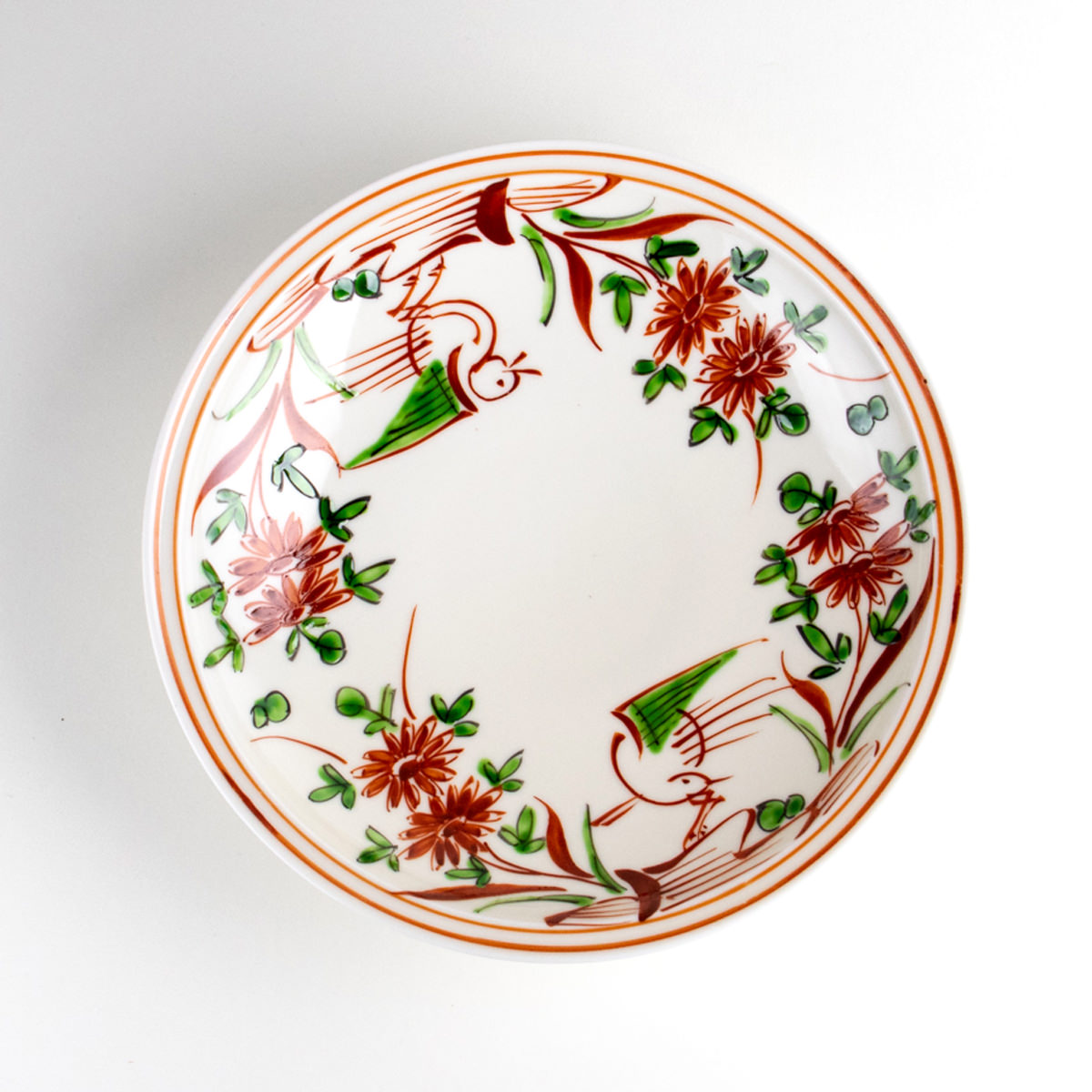
Akae plate
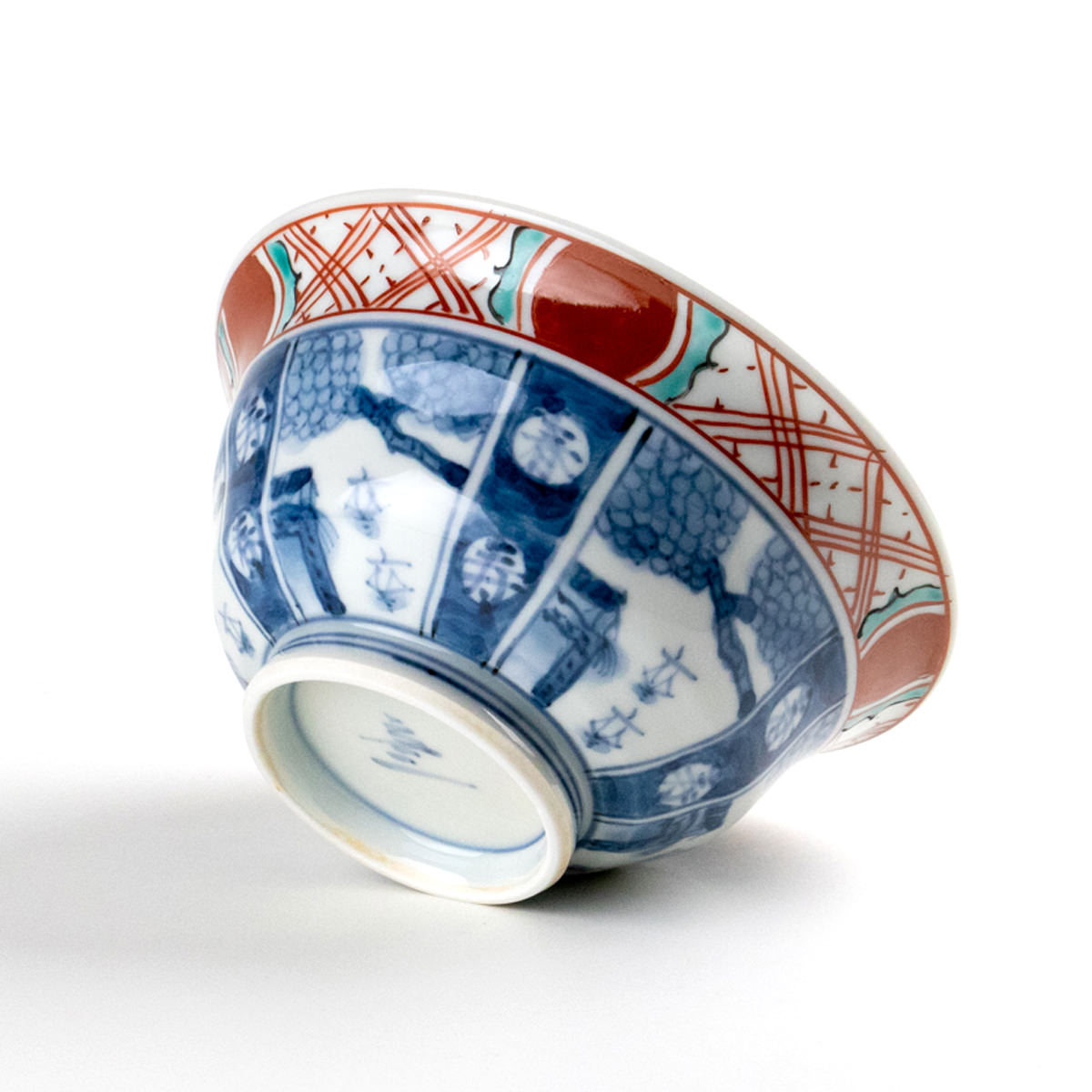
Somenishiki rice bowl
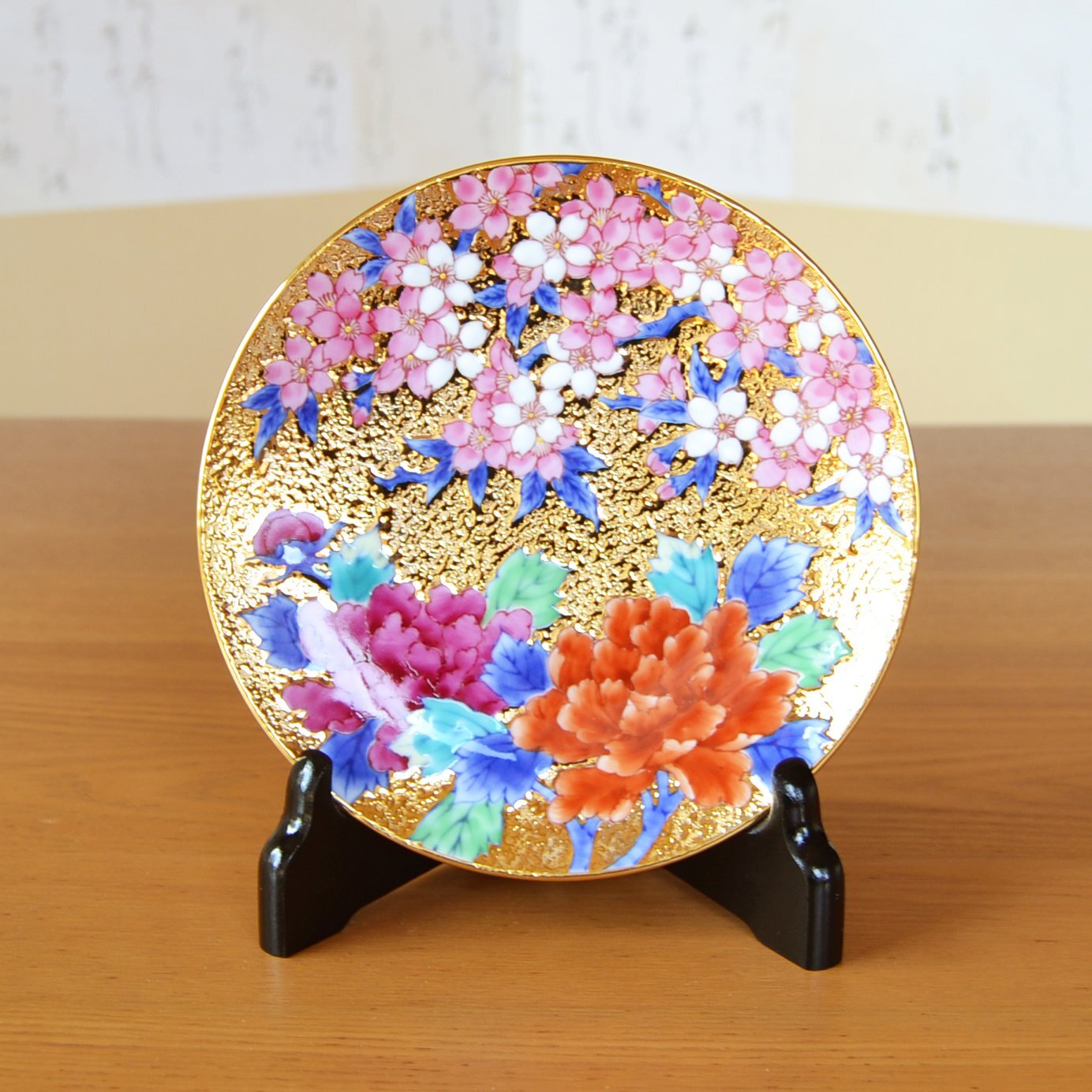
Decorative plate with gold detailing
Arita Ware Today
Arita ware today is not limited to traditional porcelain. In addition to porcelain, pottery is also produced in the region, and the range of forms, styles, and designs has become increasingly diverse.
Arita and the neighboring ceramic-producing areas of Imari and Hasami have also been closely connected throughout history. Together, these areas form part of the historic Hizen ceramic region, which continues to preserve one of Japan's most important ceramic traditions.
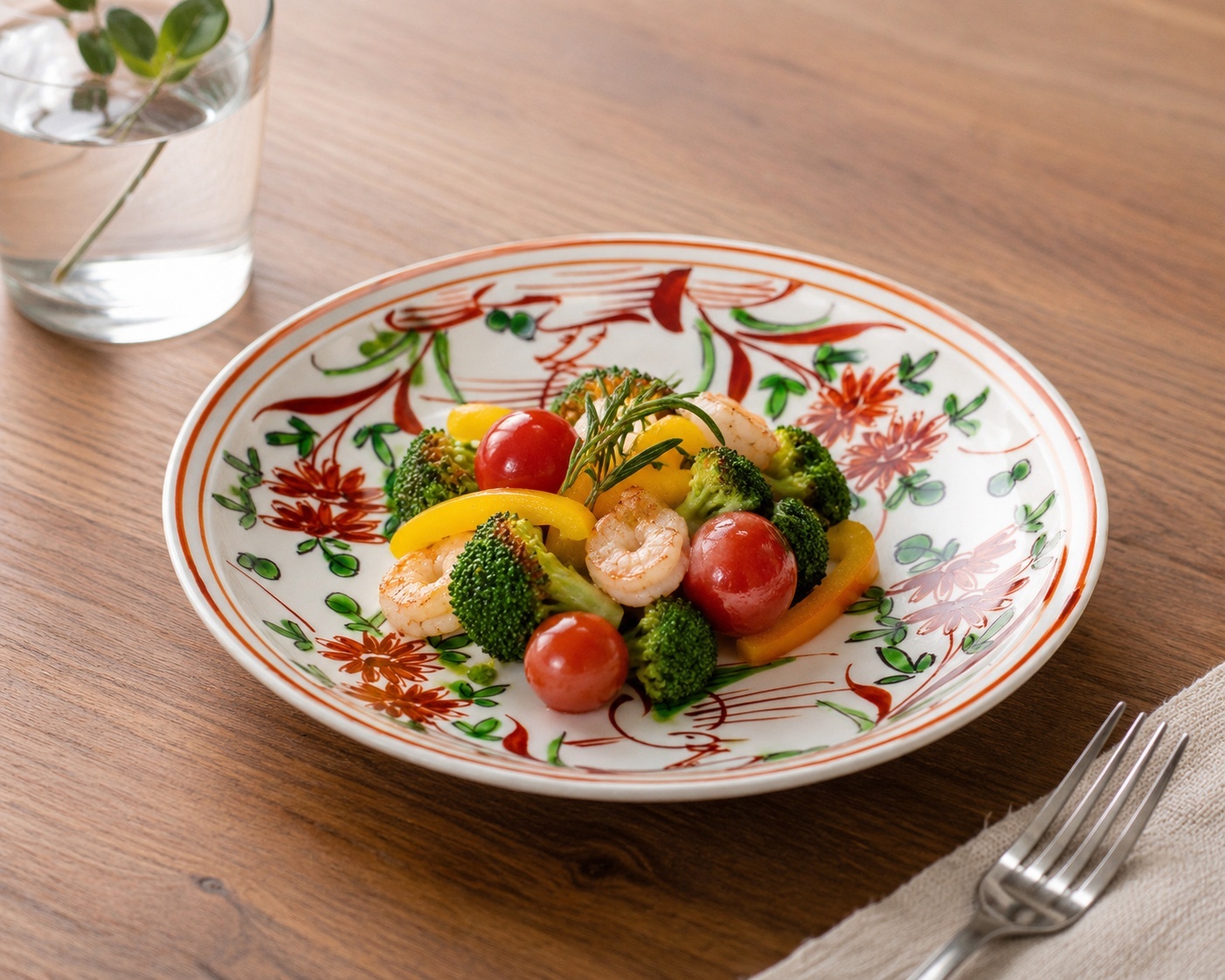
Arita ware fits naturally into the modern everyday dining table.
Why Arita Ware Is Still Loved Today
Arita ware is valued not only for its beauty as decorative art, but also for its practicality as everyday tableware. Much of Arita porcelain is thin and light yet durable, with a beautiful white surface that complements and enhances the appearance of food.
It works well not only with Japanese cuisine, but also with Western dishes, Chinese cuisine, desserts, and many other styles of food. The wide range of choices—from traditional patterns to contemporary designs—is one of the reasons Arita ware has remained part of people's lives for more than four centuries.