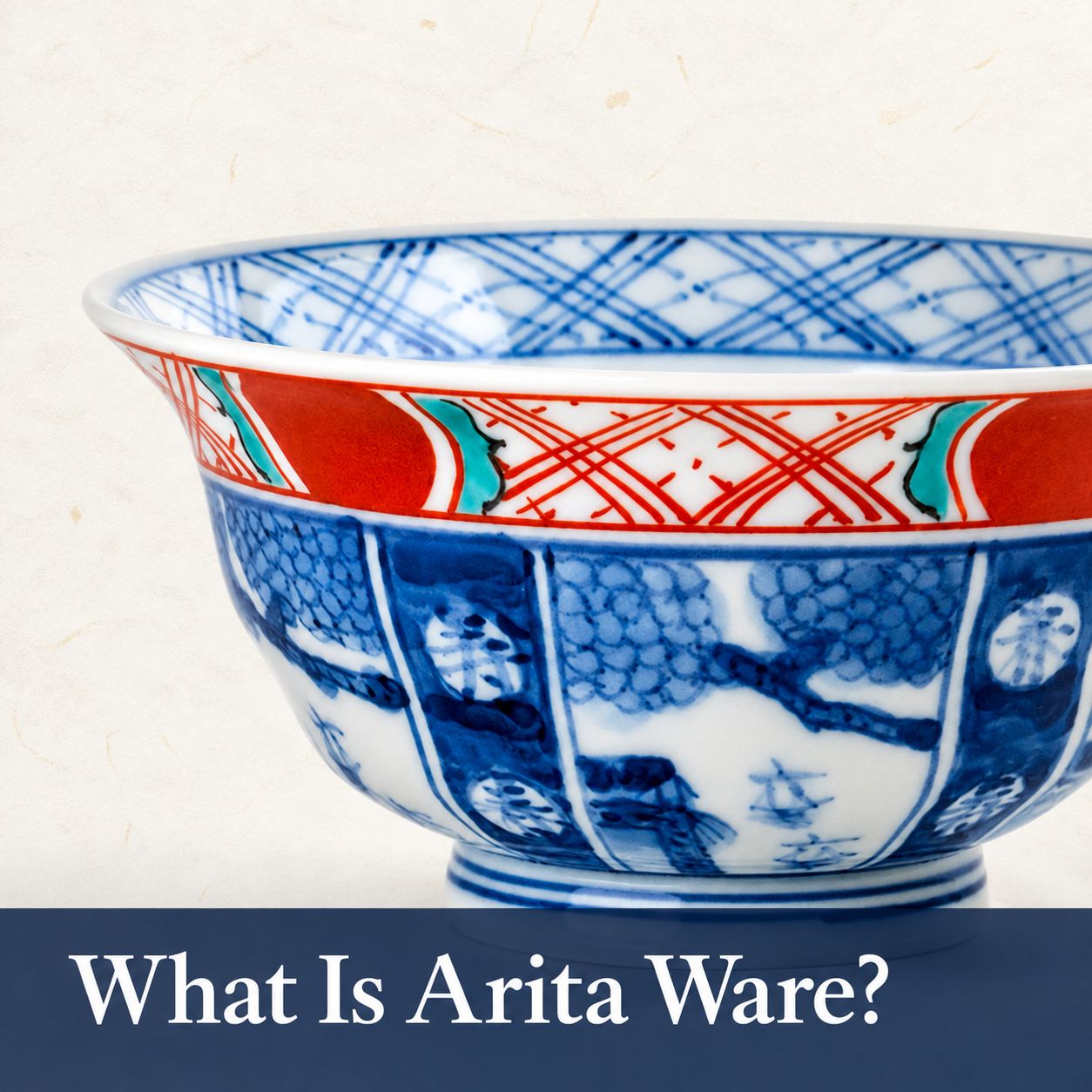
What Is Arita Ware?
Discover the history and defining characteristics of Arita ware, where Japan's first full-scale production of porcelain began.
Read Article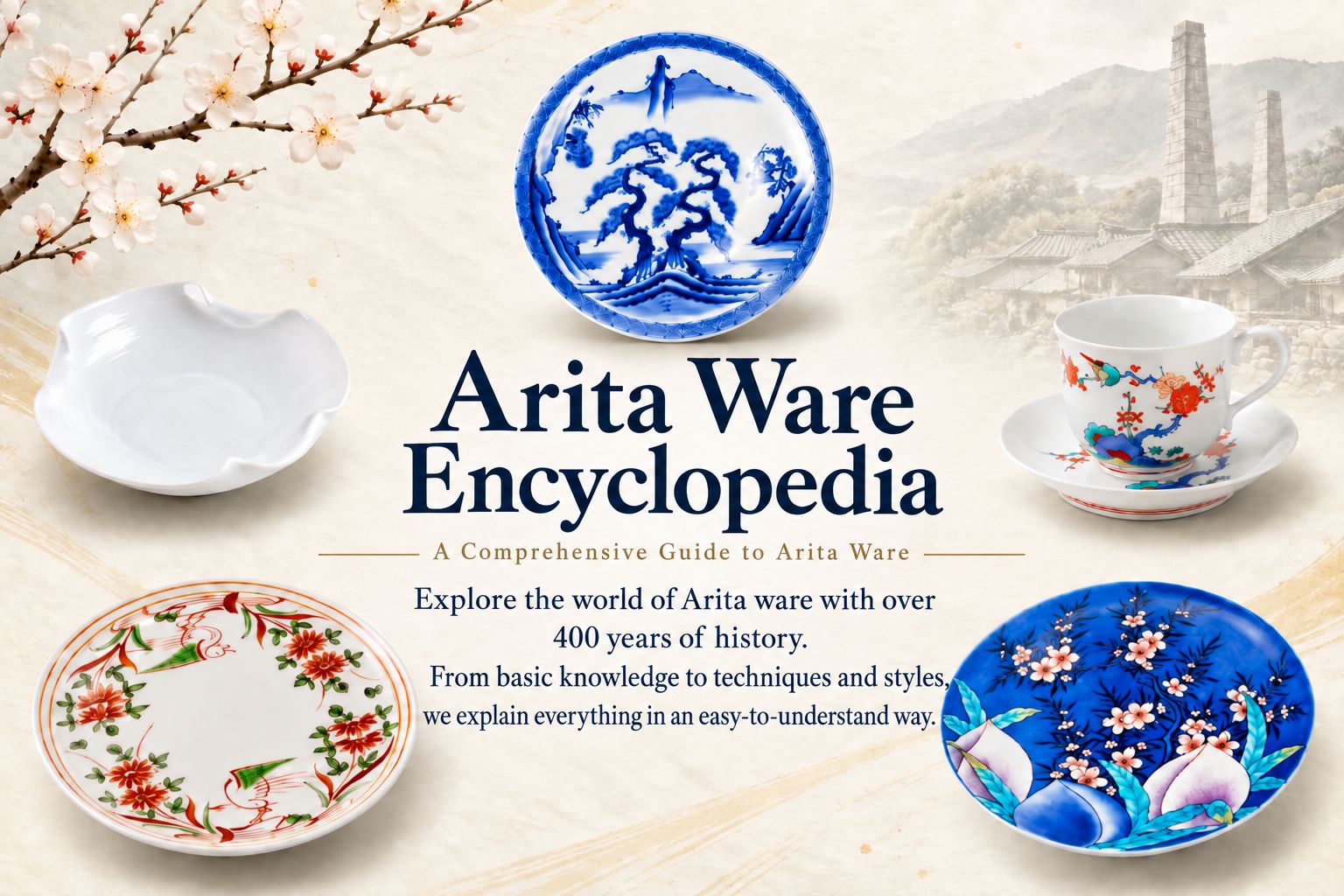
With a history spanning more than 400 years, Arita ware is admired not only for its beautiful white porcelain, but also for decorative techniques such as Sometsuke and Akae, distinctive styles including Ko-Imari, Kakiemon and Nabeshima, and the craftsmanship passed down through generations. The Arita Ware Encyclopedia offers an accessible introduction to everything from essential knowledge to the major techniques and styles of Arita ware.
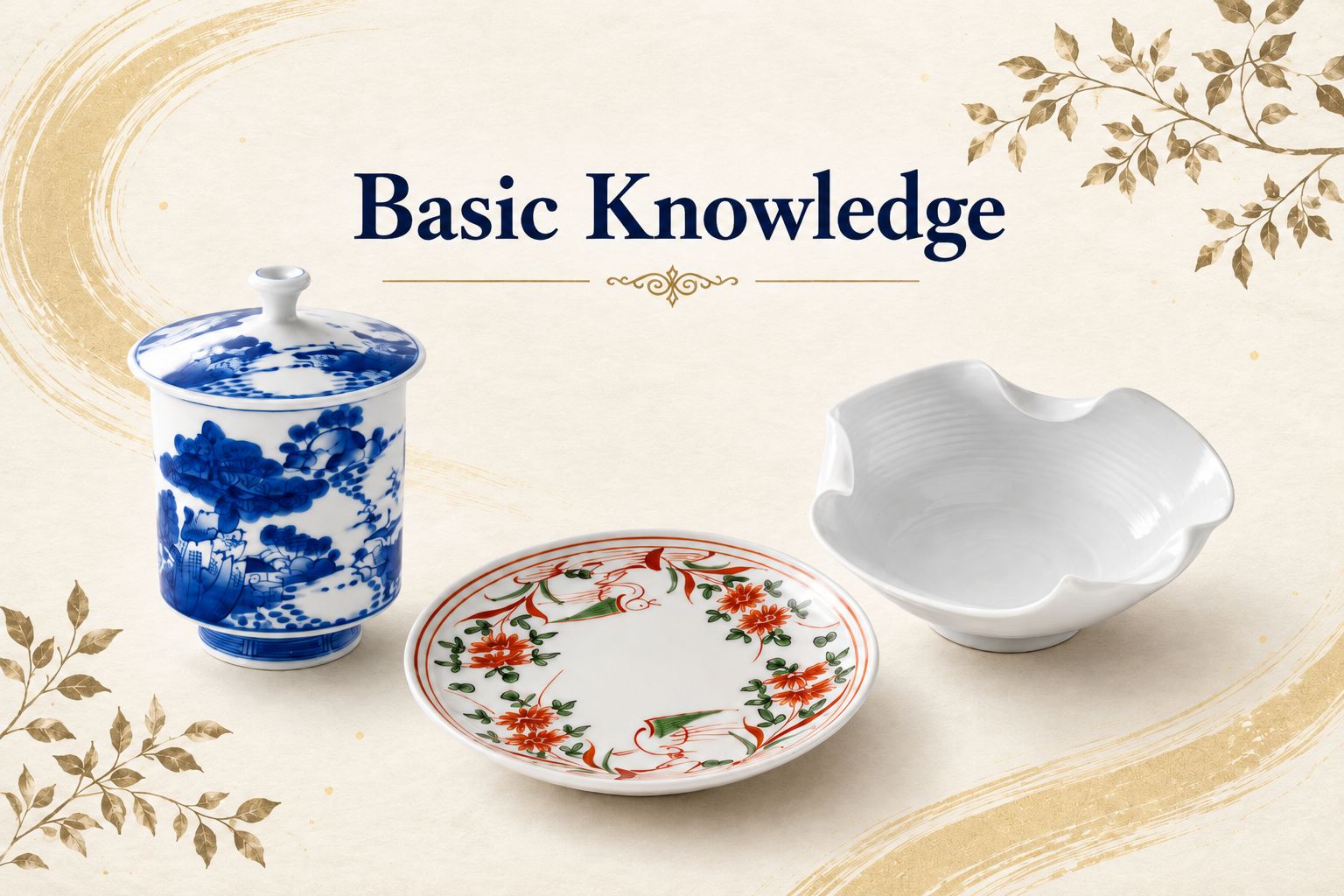
Start with the essentials of Arita ware: its origins, the difference between porcelain and pottery, and the characteristics of Hakuji (white porcelain).
Discover the history and defining characteristics of Arita ware, where Japan's first full-scale production of porcelain began.
Read Article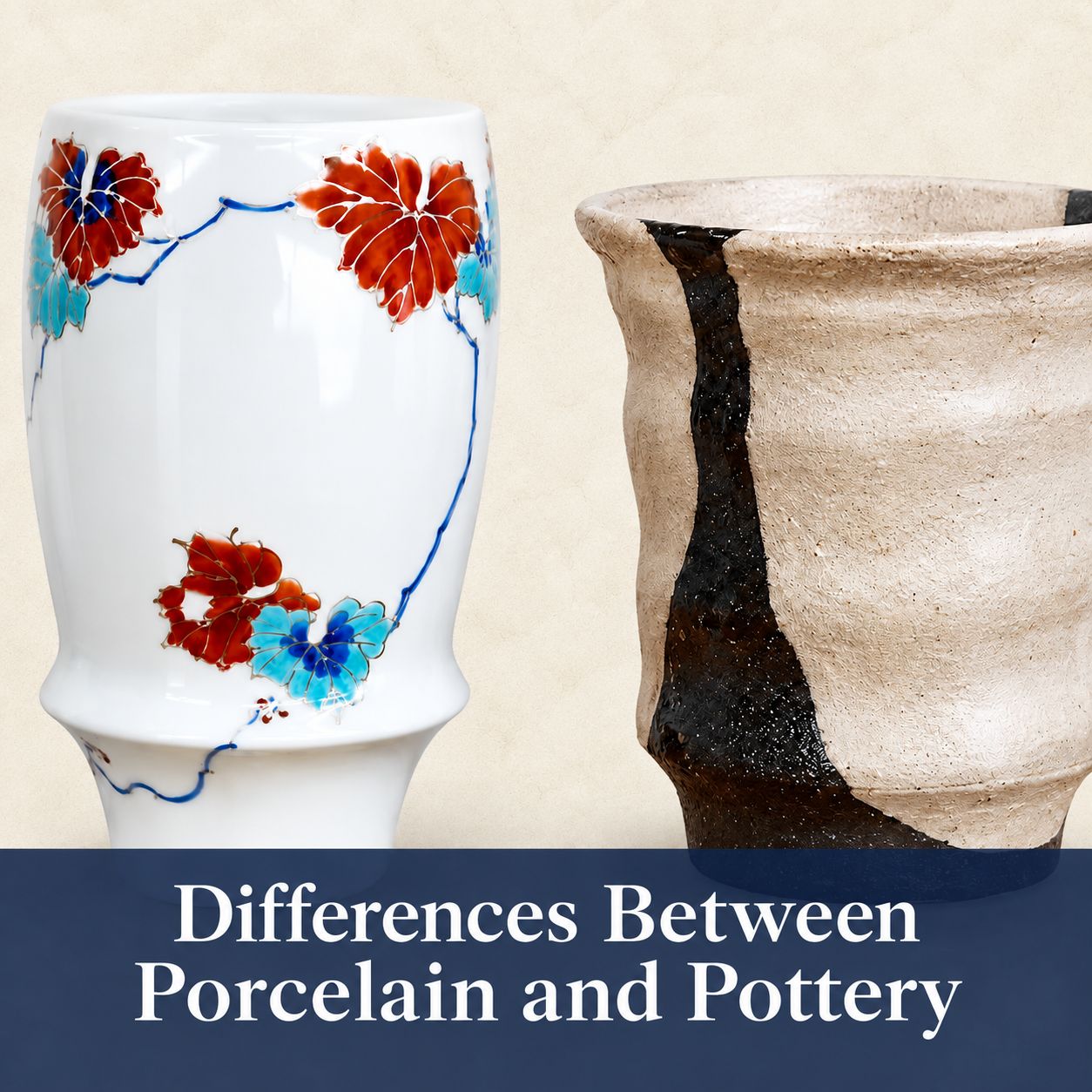
A clear comparison of porcelain and pottery, including their raw materials, firing temperatures, texture and water absorption.
Read Article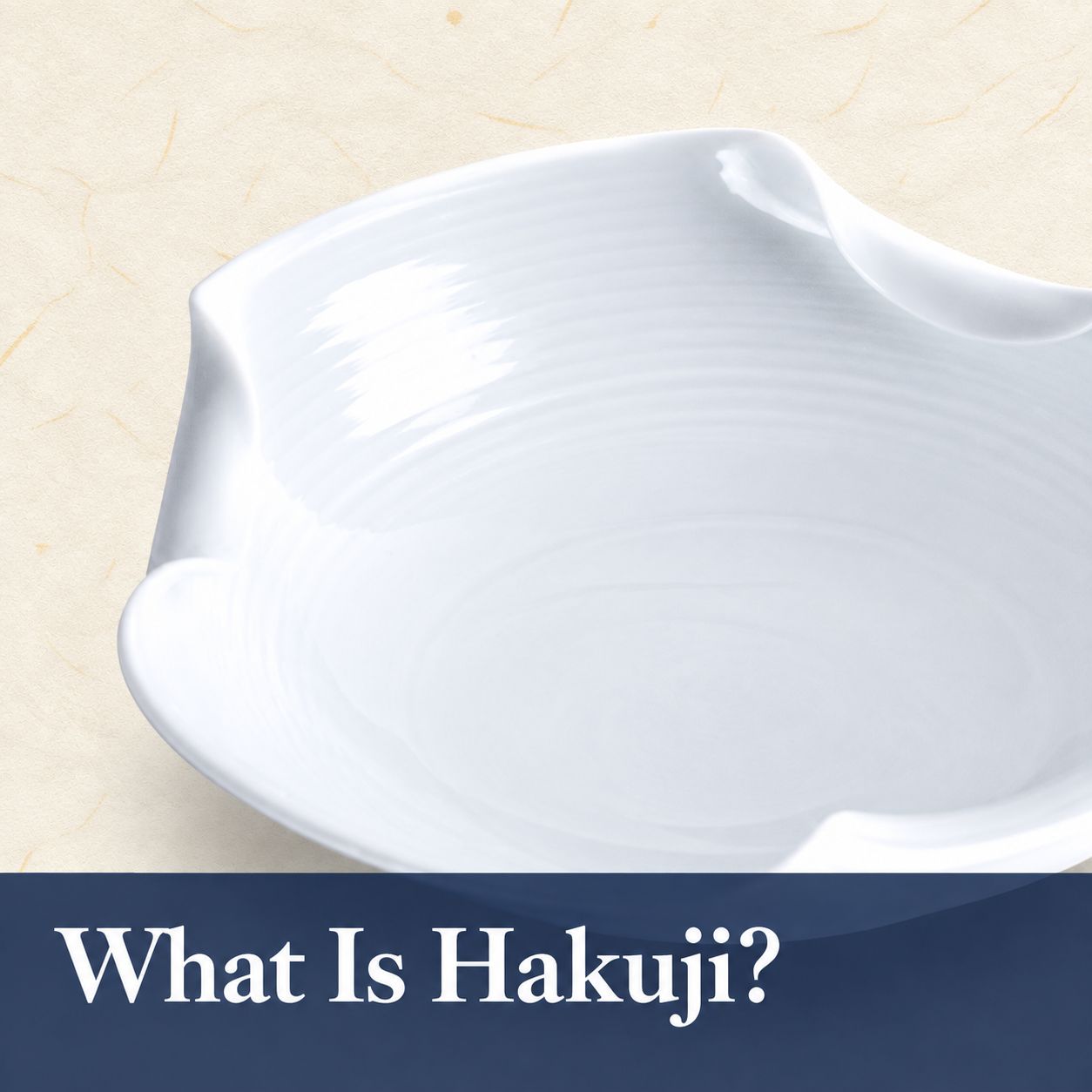
Learn about Hakuji, undecorated white porcelain valued for the beauty of its pure porcelain surface and elegant form.
Read Article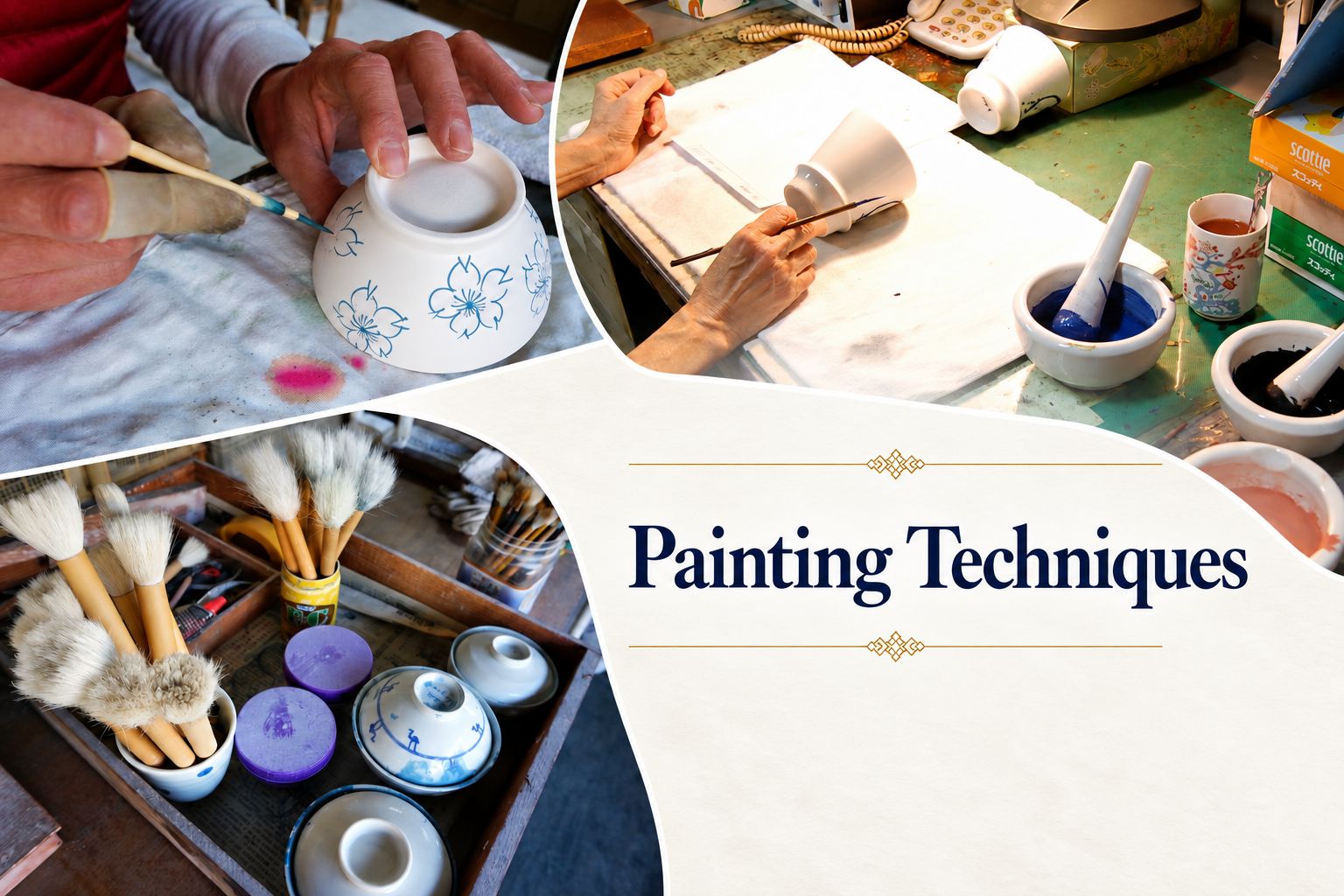
Explore two of Arita ware's best-known decorative techniques: the deep blue of Sometsuke and the colorful overglaze decoration of Akae.
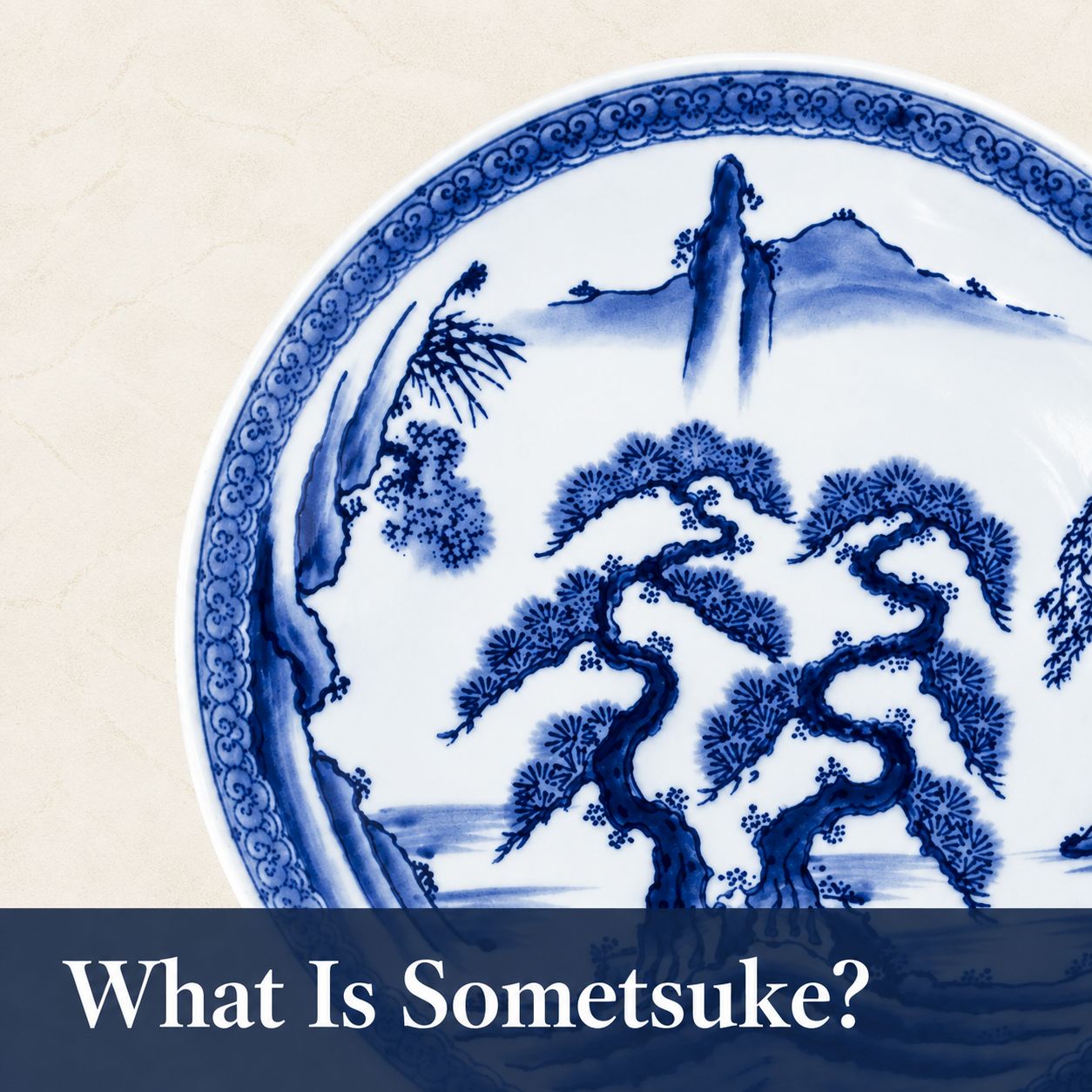
Learn how Sometsuke (Japanese underglaze blue) is created, from painting with cobalt pigment to glazing and firing, and discover the appeal of its distinctive blue decoration.
Read Article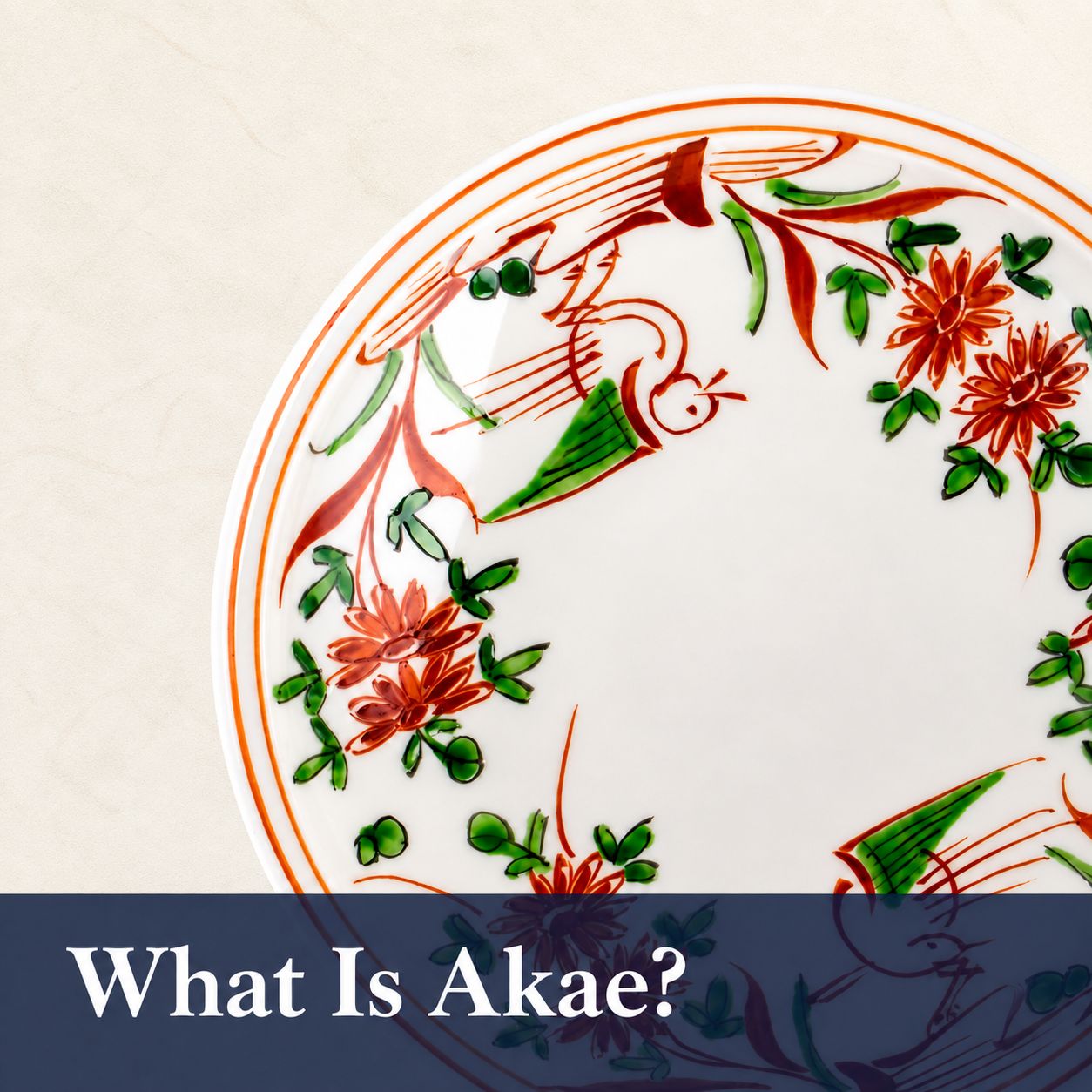
Discover Akae, a colorful overglaze decoration applied after the main firing, and learn how it differs from Sometsuke.
Read Article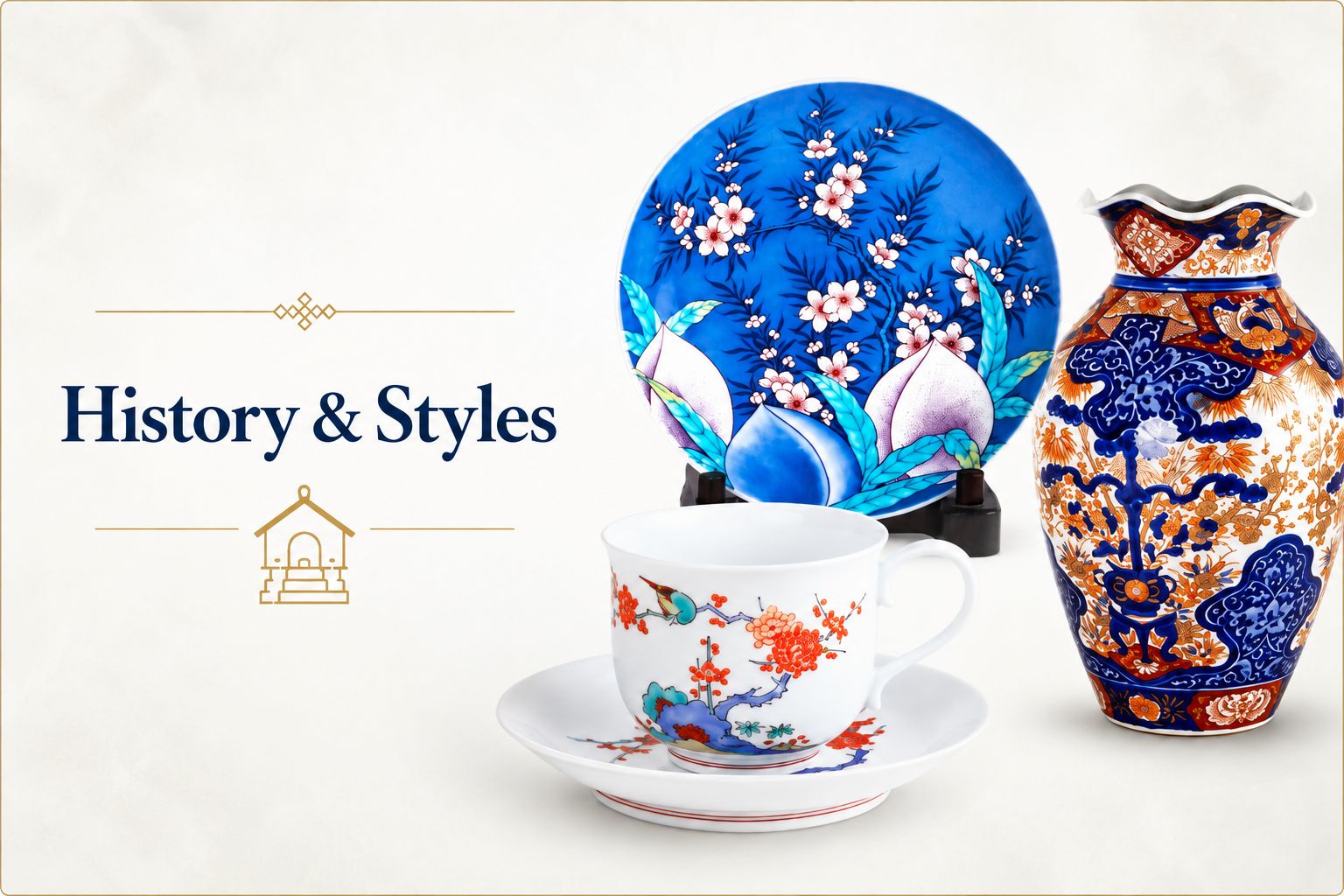
Explore the major styles that developed throughout the history of Arita ware, including Ko-Imari, Kakiemon and Nabeshima, and learn what makes each one distinctive.
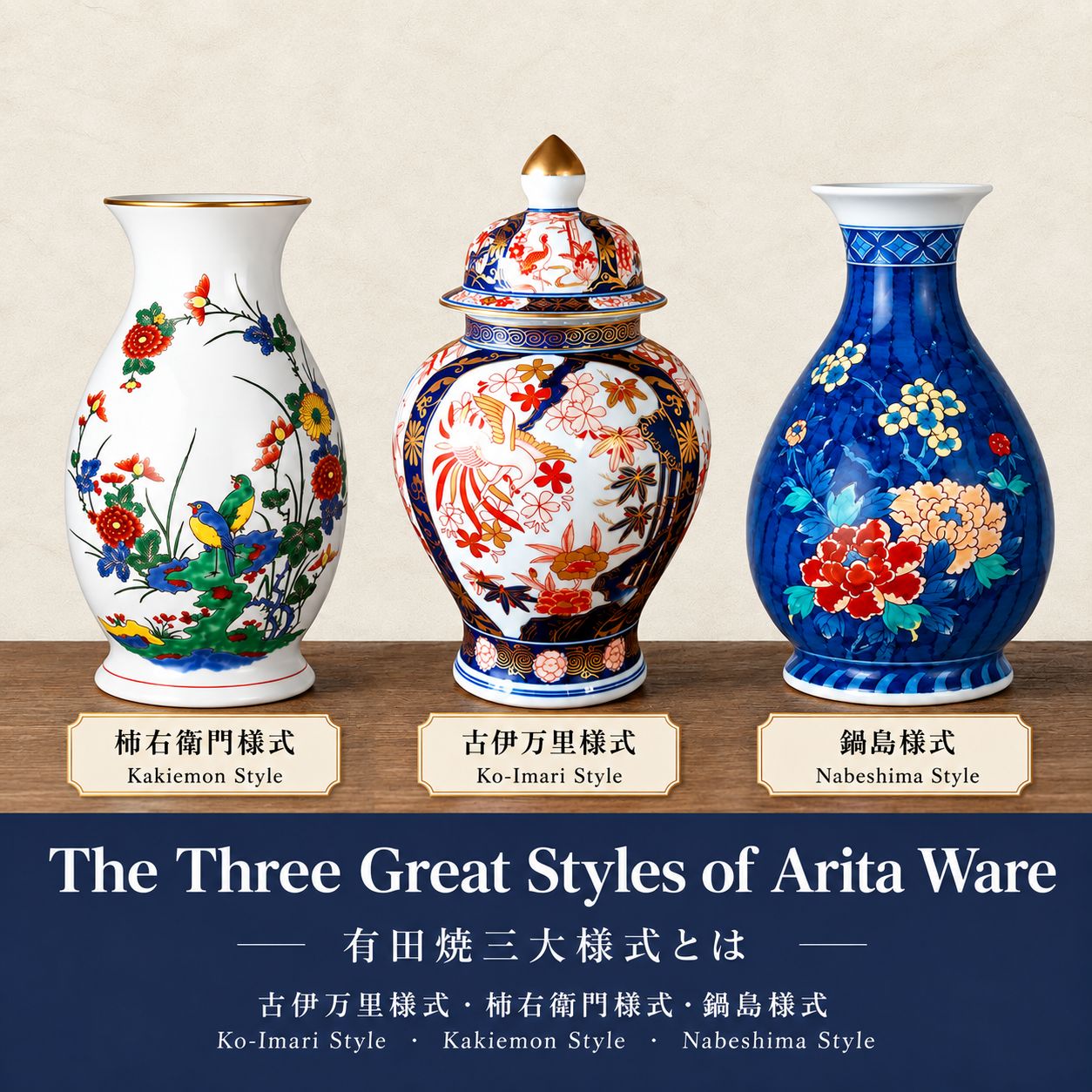
Compare Ko-Imari, Kakiemon and Nabeshima—the three major styles of Arita ware—and discover the distinctive beauty of each.
Read Article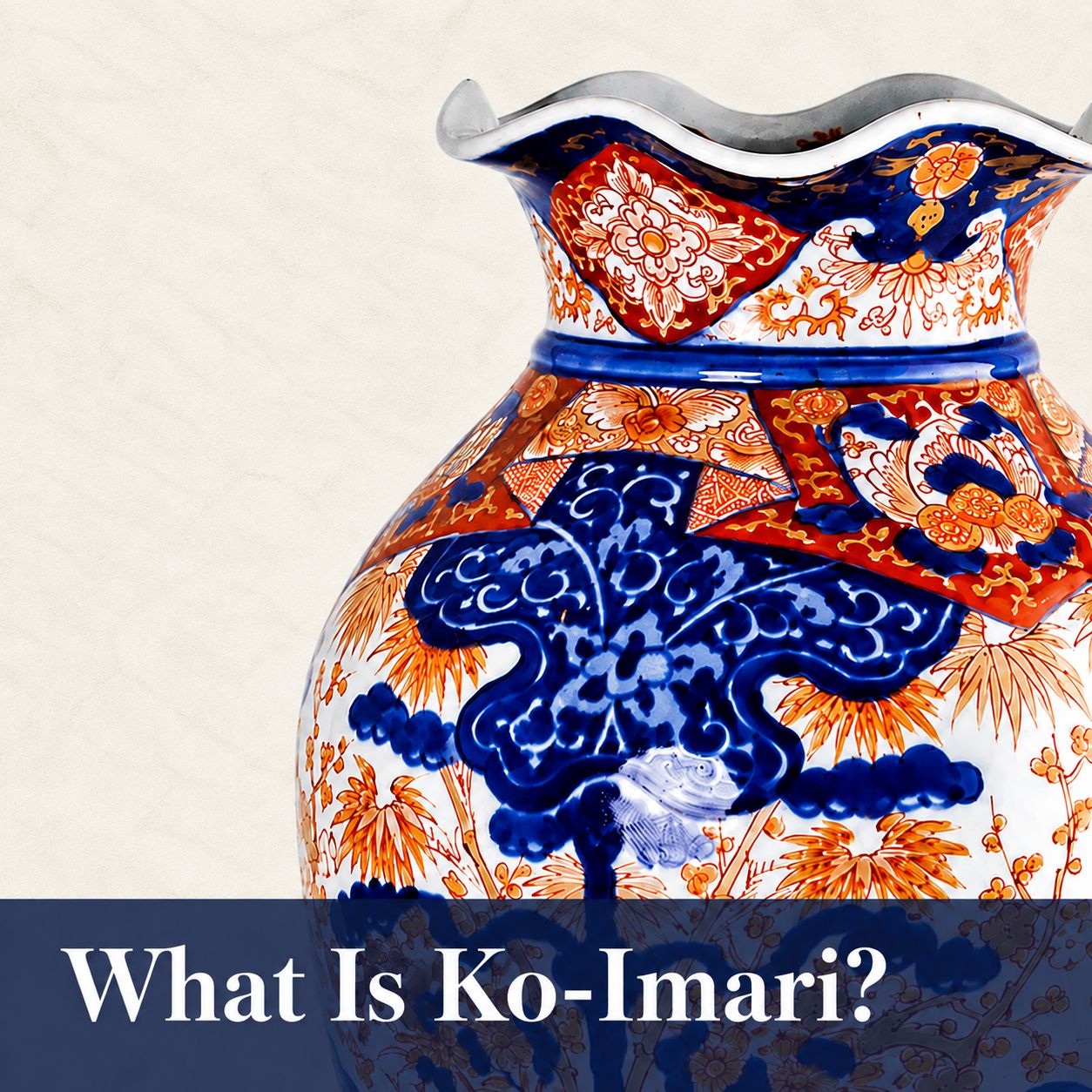
Learn the origin and historical meaning of the name Ko-Imari, closely associated with Arita porcelain shipped from the port of Imari during the Edo period.
Read Article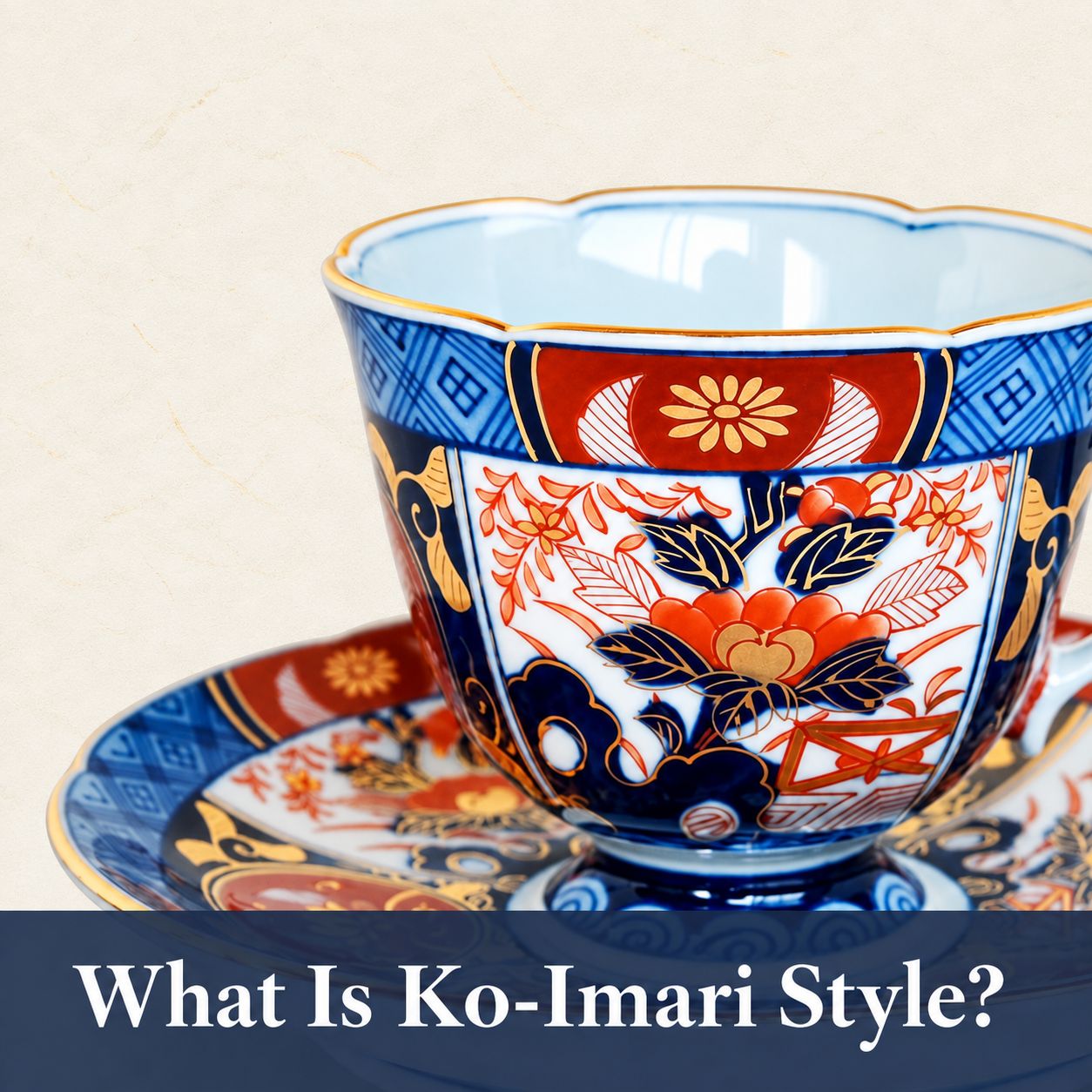
Explore the opulent Ko-Imari Style, known for richly composed decoration combining underglaze blue, overglaze enamels and gold.
Read Article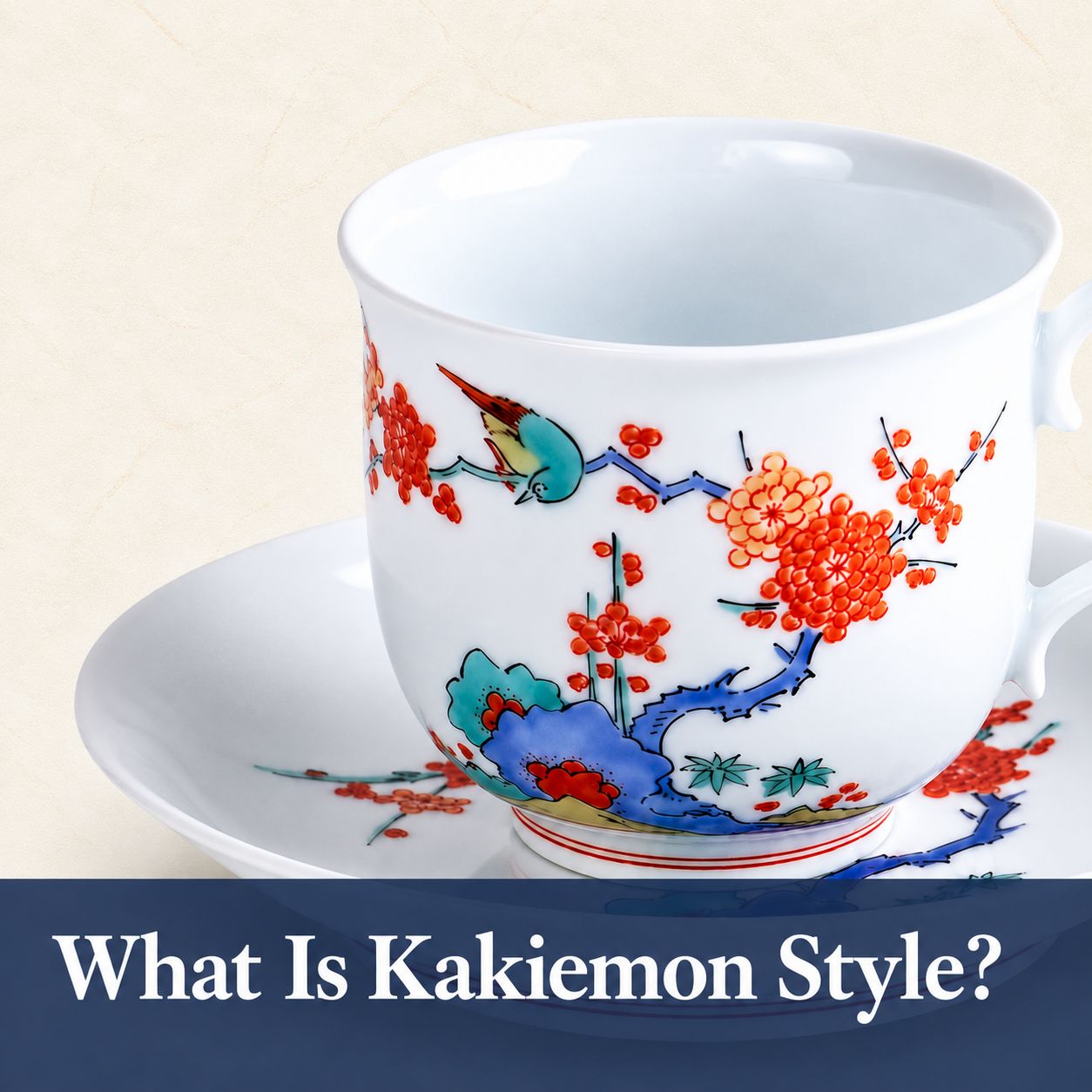
Discover the refined beauty of Kakiemon Style, characterized by delicate colored decoration and generous open space on a milky-white porcelain body.
Read Article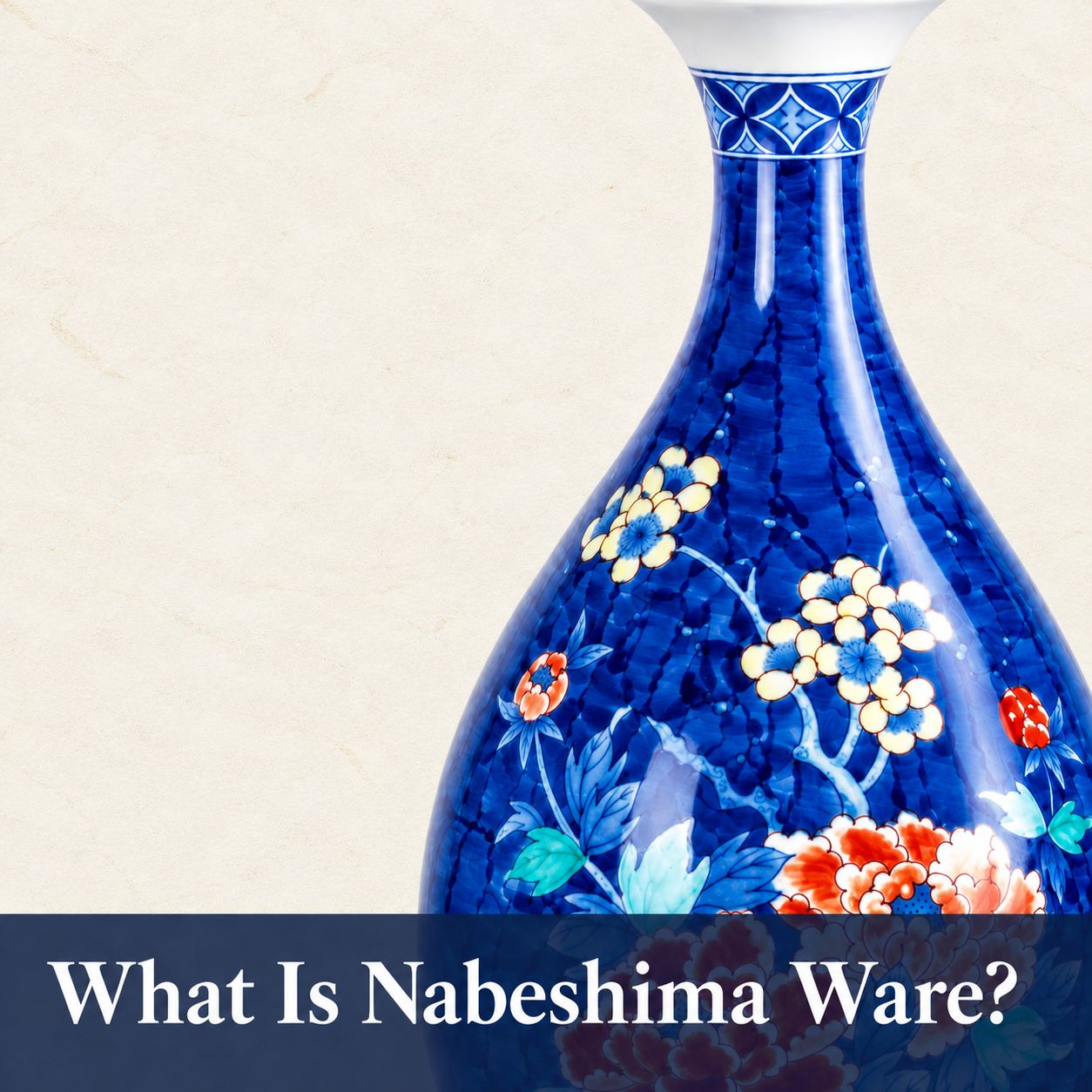
Learn about the precise and dignified Nabeshima Style, created at the official kiln of the Saga domain and prized as presentation ware.
Read ArticleEven within the world of porcelain, Arita ware takes on remarkably different expressions depending on the decoration, style and maker. Explore the articles that interest you and deepen your enjoyment of seeing, understanding and choosing Japanese tableware.