Small Vase Gourd Shape Kingyo Goldfish Platinum Color Ryusui | Fujii Kinsai's work [217092]
Price: 132,000JPY
Weight: 2000g
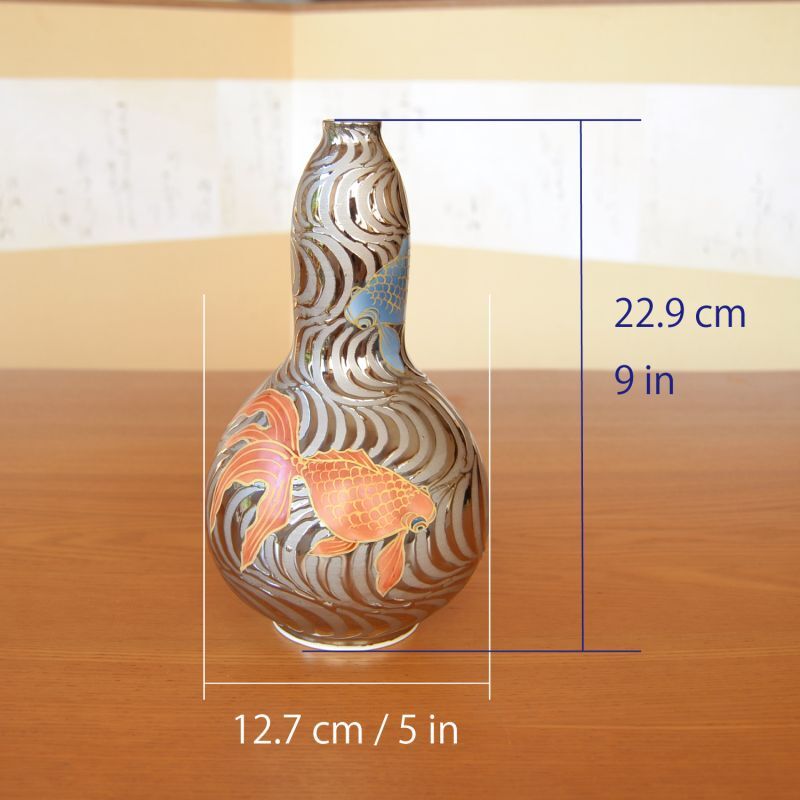
Width: 12.7 cm / Height: 22.9 cm
Width: 5 in / Height: 9 in
-----------------------------
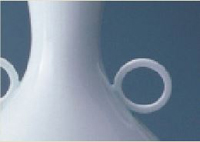
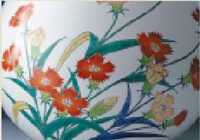
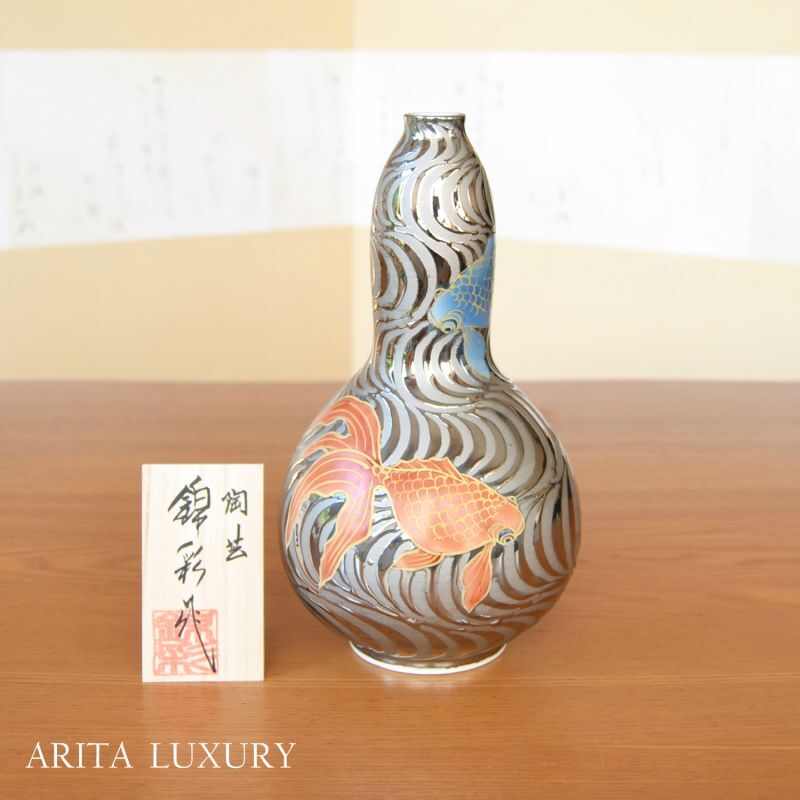
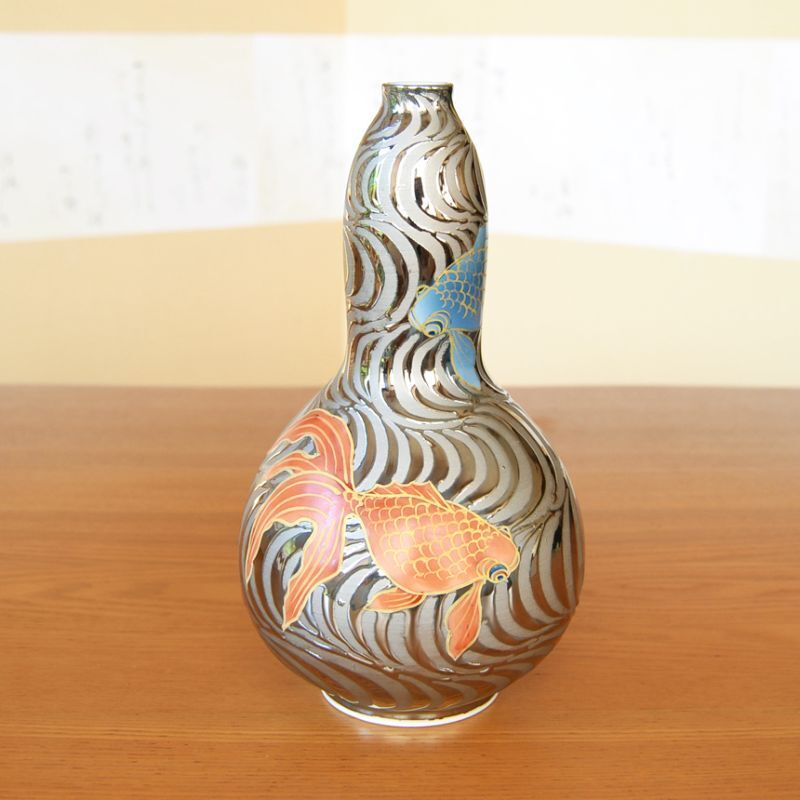
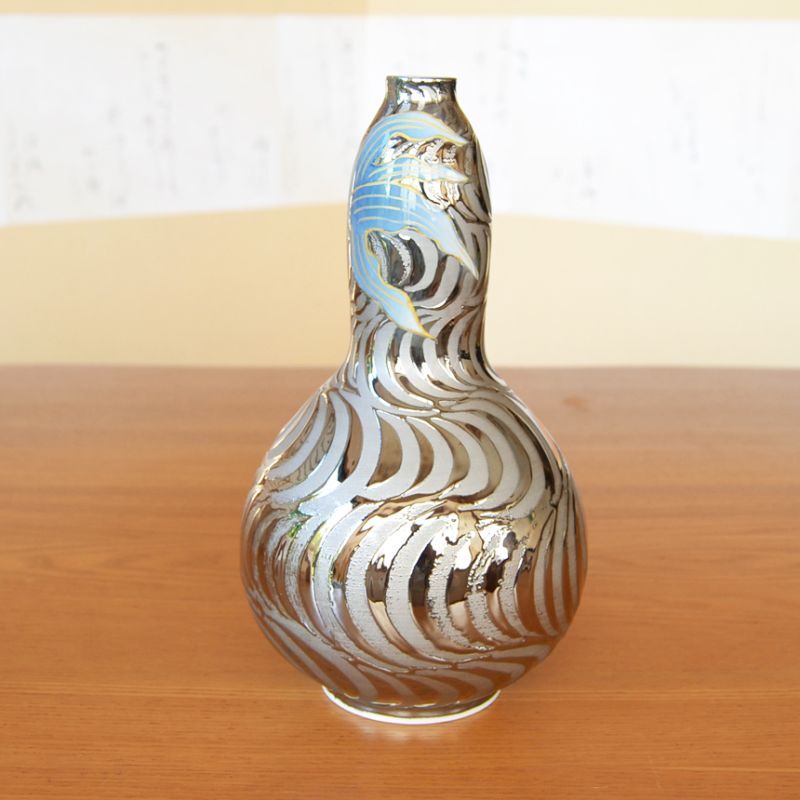
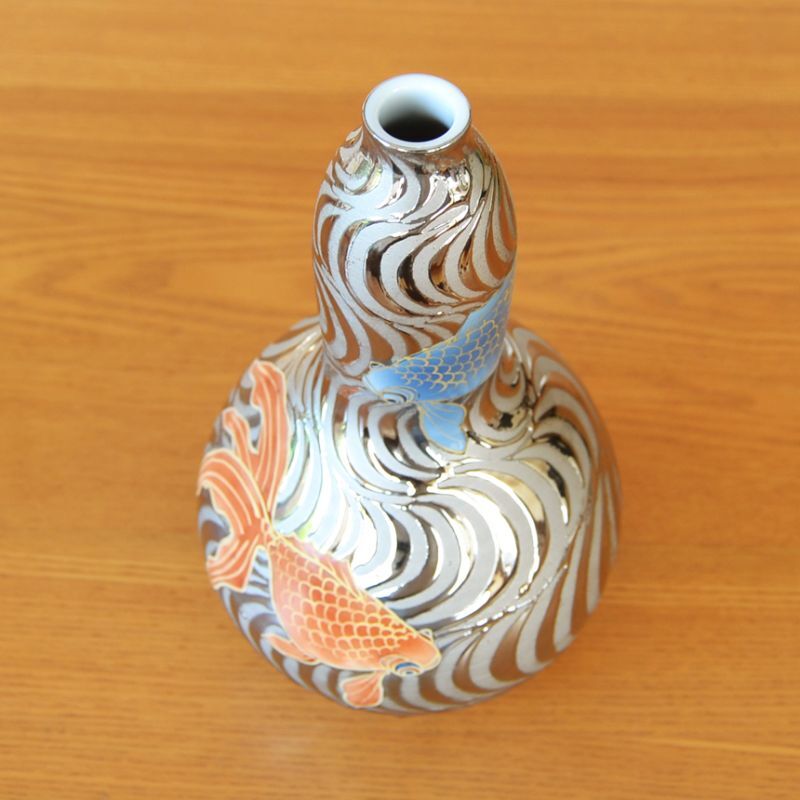
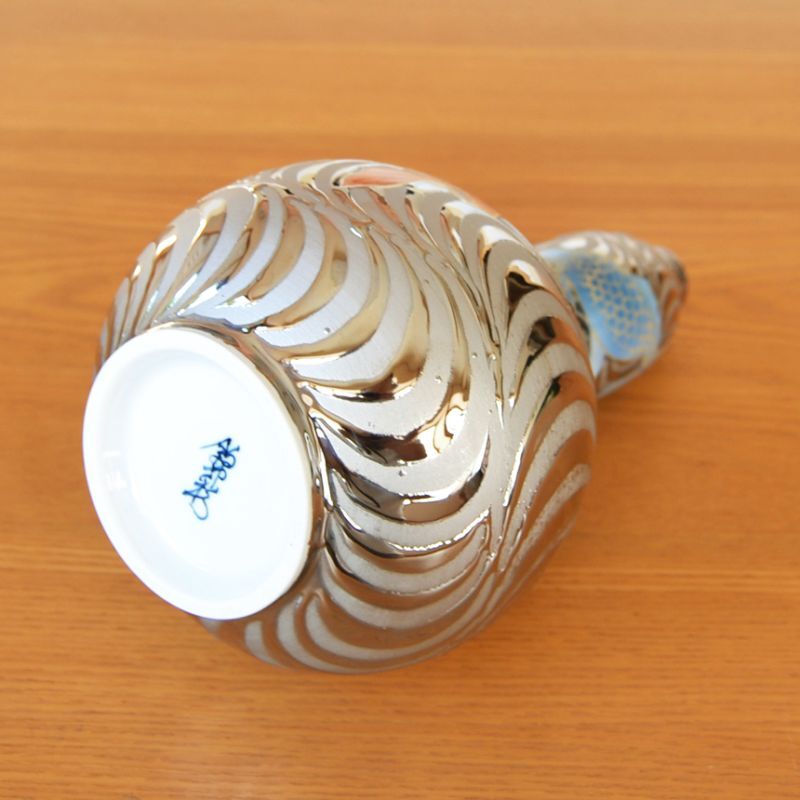
This is a work by Kinsai Fujii, a leading ceramic artist in the creation of Arita porcelain art. This small piece depicts goldfish, symbolizing wealth and prosperity, swimming gracefully on a vase shaped like a gourd, known as "Hisago-gata," an auspicious shape. The contrast between the blue and red of the goldfish and the silver color called platinum glaze makes this piece stand out with a strong presence.
The goldfish motif holds various positive meanings, especially in Japanese and Chinese cultures, symbolizing "wealth and prosperity," "happiness and good fortune," and "abundance and fertility." Goldfish are considered symbols of wealth and prosperity because their name evokes the image of "gold." Especially in Chinese culture, the pronunciation of "goldfish" (金魚) is similar to "abundance of gold" (金余), symbolizing a wish for wealth and an abundance of riches.
Additionally, goldfish swimming gracefully in water are also symbols of purification and purity. The water depicted in platinum glaze itself signifies purity and purification, and the image of goldfish swimming symbolizes the cleansing of the heart and the bringing of spiritual purity.
in addition, it has a unique shape known as "Hisago-gata," which is modeled after a gourd. Since ancient times, gourds have been considered symbols of "abundance and prosperity" as well as "harmony and stability," making them a representative form of auspicious shapes. The round shape of the gourd symbolizes abundance and prosperity, which is why it represents "wealth and prosperity." The widened lower part signifies "hold ing many things," symbolizing an increase in wealth and happiness. Additionally, the gourd's shape is considered a symbol of "harmony and stability" due to its balanced proportions. It is favored as an auspicious object, wishing for harmony in family and human relationships.
With a height of 22.9 cm and a relatively small width, this compact piece is popular for its ability to harmonize well with modern Living spaces. It is also ideal as a gift or for special occasions. This masterpiece embodies the pinnacle of craftsmanship in potter's wheel, painting, and firing techniques.
[Potter Profile]
Kinsai Fujii
Kinsai Fujii's works are characterized by their luxurious finish using the overglaze enamel (nishiki) technique. He utilize metallic hues such as gold and platinum, as well as traditional Arita nishiki colors like red, green, and purple, showcasing strong individuality in their creations
Kinsai Fujii's career is as follows :
Born in 1976 in Arita, Saga Prefecture, Japan.
Entered the wheel-throwing department at Saga Prefectural Arita Ceramic Technical School in 1991.
Studied under Living National Treasures Manji inoue and Shigemasu Kajiwara in 1991.
Held the "Kinsai Fujii Exhibition" at Fukuoka Prefectural Museum of Art and Hita City Museum of Art in 2003.
Held the "Kinsai Fujii Exhibition" at Ehime Prefectural Museum of Art Branch in 2004.
Held numerous solo exhibitions at department stores and other venues nationwide Since 1999.
[Main Awards]
Nagasaki Ceramics Exhibition, Asahi Shimbun Award
Kyushu-Yamaguchi Ceramics Exhibition, Selected
Workers' Art Exhibition, Minister of Labor Award
Asahi Ceramics Exhibition, Selected
Governor's Rotation, Saga Prefectural Governor's Award
Asia Craft Exhibition, Selected
And many others
 |
Import duties, taxes, and charges are not included in the item price or shipping cost. When a duty occurs, you are responsible for paying Customs Duties. |
 |
 |
Source: www.exchange-rates.org
 |
||||||||||||||||||||||||||||||||||||||||||||||||||||||||||||||||||||||||||||||||||||||||||||||||||||||||||||||||||||||||||||||||||||||||||||
|
||||||||||||||||||||||||||||||||||||||||||||||||||||||||||||||||||||||||||||||||||||||||||||||||||||||||||||||||||||||||||||||||||||||||||||
 |
||||||||||||||||||||||||||||||||||||||||||||||||||||||||||||||||||||||||||||||||||||||||||||||||||||||||||||||||||||||||||||||||||||||||||||
|
||||||||||||||||||||||||||||||||||||||||||||||||||||||||||||||||||||||||||||||||||||||||||||||||||||||||||||||||||||||||||||||||||||||||||||
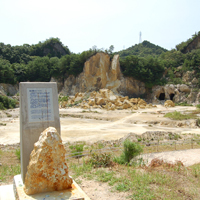
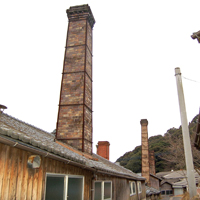
 Porcelain production started in Japan in the 17th century after kaorin stone was discovered in Arita. From the middle 17th century, large amounts of Arita ceramics, which captivated the European royalty and nobility, were exported to Europe, through the Dutch trading post on Dejima Island in Nagasaki. Augustus the Strong, Elector of Saxony, was so fond of Arita ceramics that he ordered porcelain resembling Arita ceramics to be made in his electorate. In Arita, the tradition and techniques of Arita ceramics have been preserved for over 400 years, while young potters and workshops take on the callenge of producing ambitious new works. |
||||||||||||||||||||||||||||||||||||||||||||||||||||||||||||||||||||||||||||||||||||||||||||||||||||||||||||||||||||||||||||||||||||||||||||
|
||||||||||||||||||||||||||||||||||||||||||||||||||||||||||||||||||||||||||||||||||||||||||||||||||||||||||||||||||||||||||||||||||||||||||||