Cup Happy ring (White) [106033]
![[Made in Japan] Happy ring (White) cup](https://www.japanesepottery.jp/data/japanesepottery/product/106033.jpg)
Price: 4,400JPY
Weight: 250g
Diameter: 9.7 cm / Height: 9.5 cm
Diameter: 3.8 in / Height: 3.7 in
[Capacity]
300 ml
10.1 fl oz
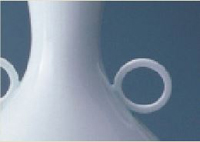
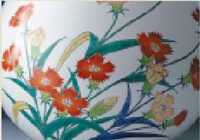
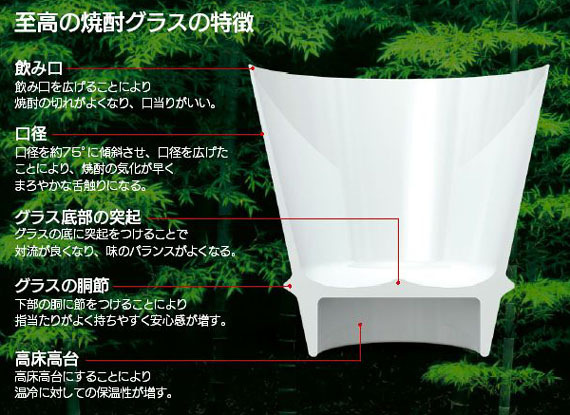
This elegant porcela in glass, f inished in pure white with a golden and green accent r ing, radiates sophistication and cheer. Its m inimalist yet strik ing design makes it suitable not only for shochu but also for beer, tea, or even cocktails. With a capacity of about 300 ml, it is perfect for enjoy ing dr inks in various styles?on the rocks, mixed with water, or straight.
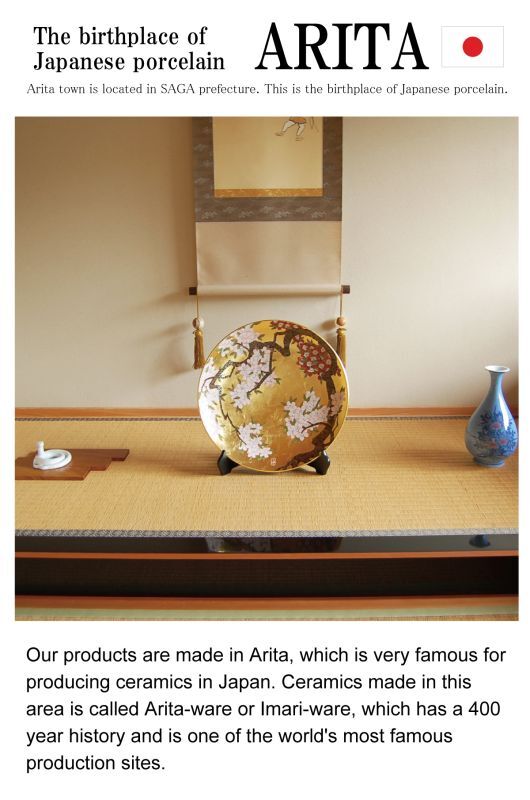
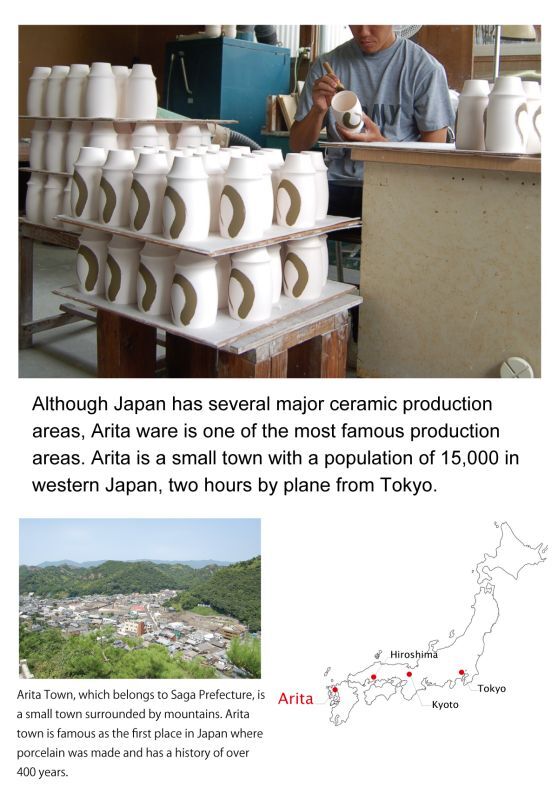
Crafted with the ref ined artistry of Arita porcela in, each piece reflects meticulous craftsmanship. Ideal for daily relaxation or enterta in ing guests, this glass also makes a thoughtful gift.
 |
Import duties, taxes, and charges are not included in the item price or shipping cost. When a duty occurs, you are responsible for paying Customs Duties. |
 |
 |
Source: www.exchange-rates.org
 |
||||||||||||||||||||||||||||||||||||||||||||||||||||||||||||||||||||||||||||||||||||||||||||||||||||||||||||||||||||||||||||||||||||||||||||
|
||||||||||||||||||||||||||||||||||||||||||||||||||||||||||||||||||||||||||||||||||||||||||||||||||||||||||||||||||||||||||||||||||||||||||||
 |
||||||||||||||||||||||||||||||||||||||||||||||||||||||||||||||||||||||||||||||||||||||||||||||||||||||||||||||||||||||||||||||||||||||||||||
|
||||||||||||||||||||||||||||||||||||||||||||||||||||||||||||||||||||||||||||||||||||||||||||||||||||||||||||||||||||||||||||||||||||||||||||
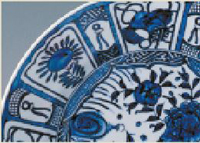
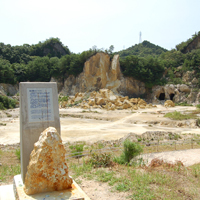
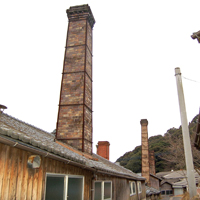
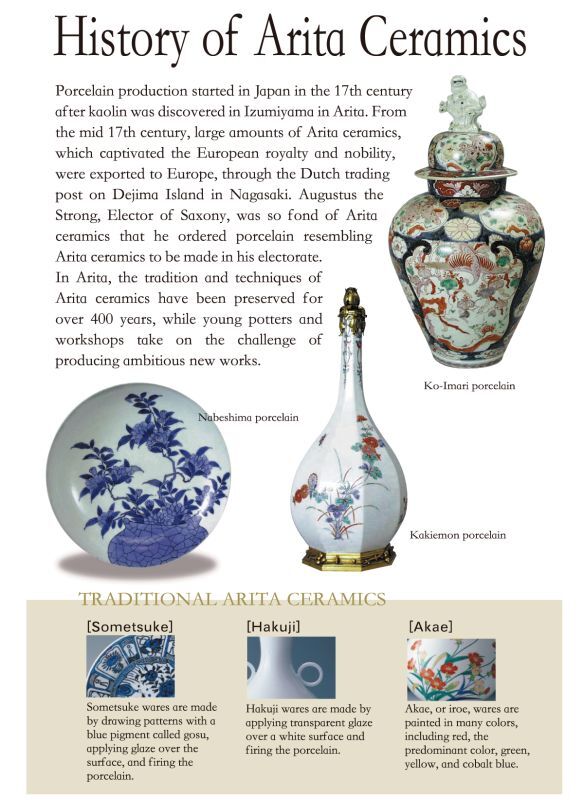
 Porcelain production started in Japan in the 17th century after kaorin stone was discovered in Arita. From the middle 17th century, large amounts of Arita ceramics, which captivated the European royalty and nobility, were exported to Europe, through the Dutch trading post on Dejima Island in Nagasaki. Augustus the Strong, Elector of Saxony, was so fond of Arita ceramics that he ordered porcelain resembling Arita ceramics to be made in his electorate. In Arita, the tradition and techniques of Arita ceramics have been preserved for over 400 years, while young potters and workshops take on the callenge of producing ambitious new works. |
||||||||||||||||||||||||||||||||||||||||||||||||||||||||||||||||||||||||||||||||||||||||||||||||||||||||||||||||||||||||||||||||||||||||||||
|
||||||||||||||||||||||||||||||||||||||||||||||||||||||||||||||||||||||||||||||||||||||||||||||||||||||||||||||||||||||||||||||||||||||||||||